Book Review: The Happiness Advantage by Shawn Achor

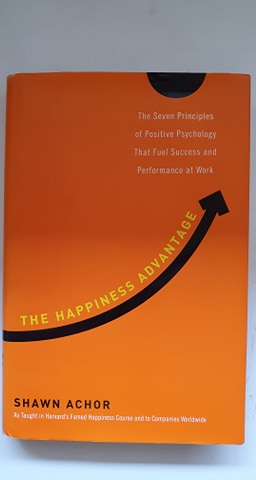
Shawn Achor is a renowned lecturer at Harvard University who specialises in positive psychology. In Achor’s book ‘The Happiness Advantage’ he presents 7 principles that you should capitalise in order to use the Happiness Advantage. These principles are as followed with a short description:

#1 The Happiness Advantage

It’s important to remember that success doesn’t make you happy, but that being happy will make you successful. The more happier you are, the more you will be able to achieve. The term happiness implies that you have a positive mindset and are in a positive mood. Within this principle Achor elaborates on the positive effects of the Happiness advantage by stating that happier workers have higher levels of productivity, happier people live longer, those who are happier have a broader scope of cognition and behaviour and that positive emotions can improve vision. Achor also elaborates by saying that “happiness is not a mood – it’s a work ethic.” He then goes on to provide 7 activities you can do to elevate your mood and raise your happiness levels.
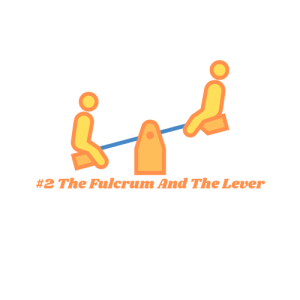
#2 The Fulcrum and The Lever

Our mind works like a seesaw. If we shift our mindset to focus on the positive aspects of our lives, we will achieve a better balance between the positive and negative aspects of our lives and be able to move forward. Within this section Achor wrote “we can use our brain to change how we process the world…[by] adjusting our brain so that we see the ways to rise above our circumstances.” He continues to elaborate by saying that the length of our lever on our seesaw is how much potential we believe we have and that the position of the fulcrum is the mindset that we use to generate change. It is through this principle that you use your positive mindset to shape reality.
#3 The Tetris Effect

Our brains have been trained to focus on the negative aspects of our lives out of habit. The idea is that we should focus on the positive aspects of our lives which will open us to more opportunities. Consistently scanning the world for the negative has many detrimental effects such as: limits creativity, increases stress, reduces motivation and causes inattentional blindness. What Achor said in this principle was to start encouraging yourself to start trying to find positives within your day so that your brain is not hardwired to all search for the negative.

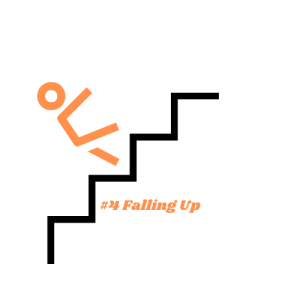
#4 Falling Up

Each time we fail at something it is actually a learning curve and we are making progress to our goals. Fundamentally, you are learning and building from your mistakes and ‘falling up’. Achor talks about a mental map everyone takes after a hardship. He writes that people experience one of these three outcomes: 1. you keep circling around where you are, 2. you continue toward further negative consequences or 3. you walk away from failure, learn from your mistakes and are stronger for it. Falling up is known as the third outcome. The key point made in principle 4 is to take your failures as an opportunity to grow.
#5 The Zorro Circle

The concept is that you must be focused, disciplined and patient when working towards your manageable goals. Set small goals (draw your ‘Zorro Circle’), complete them and then set a new and slightly bigger goal. Achor elaborates by saying that by completing these small and manageable goals “we regain the feeling of control so crucial to performance… We accumulate the resources, knowledge, and confidence to expand the circle.” It is important that we feel successful and in control of our work as it have been proven that if we don’t it leads to increased stress, increased conflict and higher job turnover.

#6 The 20-second Rule

Replace a negative habit with a positive habit by making it easier to access and decrease the activation energy. Make the good habit a task that you can easily start without having to set anything up. One great quote from this section is “Common sense is not common action.” It highlights that knowledge is worthless without acting upon it. So while we know that consistently achieving 8 hours of sleep is good for us, odds are, we aren’t consistently falling asleep at 10pm and waking up at 6am. This is where Achor continues to note that building healthy habits requires daily strokes of effort to create that internalised routine.

#7 Social Investment

Do not retreat inwards in stressful situations. It is moments of stressful situations that we need support from our team and social circle the most. This is because social interactions provide us with positivity, help us feel protected from adversity and allow use to grow with the help of our supports. A nice comparison Achor presents is that our social web is like our offensive line who support the team, aka you. By investing your time into developing a good offensive line you automatically have a better support system who can help and guide you through tough times.
Pro’s of The Book:

I found the book very informative and it is obvious that Shawn Achor knows what he is talking about. Not only does he put forth these principles, but he also provides several examples with case studies to back up his writing. These case studies are also very entertaining themselves. I remember one of the studies Achor wrote about was one that he participated in himself. They were testing to see how much a person would endure, how much embarrassment they could handle and how much pain they would go through for a simple paycheck. The funny part was that it was disguised as an experiment that aimed to aid help prevent elderly from falling over. This made Achor’s writing an informative yet engaging piece for me to read.

I would also love to applaud Achor’s writing style. The flow of the writing makes this a brilliant read as I can pick it up and start reading it without having to push my mind to be in the right zone. I found that it was easy to read the book without losing interest as his writing seemed to never get boring.

Con’s of The Book:

At the start of a lot of the sections within the 7 principles, Achor tends to start with “When I worked with a big company in….” or “When I flew to …. to speak too hundreds of people…”. I did find this quite engaging at the start as it told me that Achor knew what he was talking about and that he has a lot of experience. But these openers continued throughout the book and it feels as if he is trying to say that he has trained every important person there is in the world on how to be happy. Overall, the writing does have somewhat of a cocky tone that was once intriguing at the start of the book but a little irritating towards the end.

Final Thoughts:

I did find this book a particular interesting and useful one to read. I did have a lot of key takeaways that I am most likely going to try and integrating into my own life. I plan to start with doing a daily reflection as Achor mentioned in Principle #3 and try to calibrate my mind to be more aware of positive aspects of my life and to really think about what can I control around me and what do I not have control over. I made a small booklet that I made to answer these questions and have attached it below. I hope to make this a habit by using Principle #6 and placing it right next to my bed with a pen. This way I will have no excuse not to do it as it requires 0 activation energy to grab the book and write in it for 2 minutes.

I honestly think that this is a worthwhile read for any manager, leader or anyone who is passionate about teamwork. It highlights some very strong key points that you can easily integrate into your everyday routine and will make you a better leader.
3 Mouth-watering Brisbane Brekkies You Can Get In Self-Isolation

One of the things I miss the most in self-isolation is not being able to go out to my local cafe for a nice breakfast. Ever since the restrictions on dining in at restaurants have been enforce, a lot of small businesses are struggling. A lot of these restaurants and cafes have switched to solely doing takeaway and some have even temporarily closed their doors to customers completely. It is important to remember that we are all in this together and that we should support each other and our local businesses. So here we present to you “Brisbane’s Best Brekkies You Can Get In Self-Isolation”!

Kith ‘n’ Chow

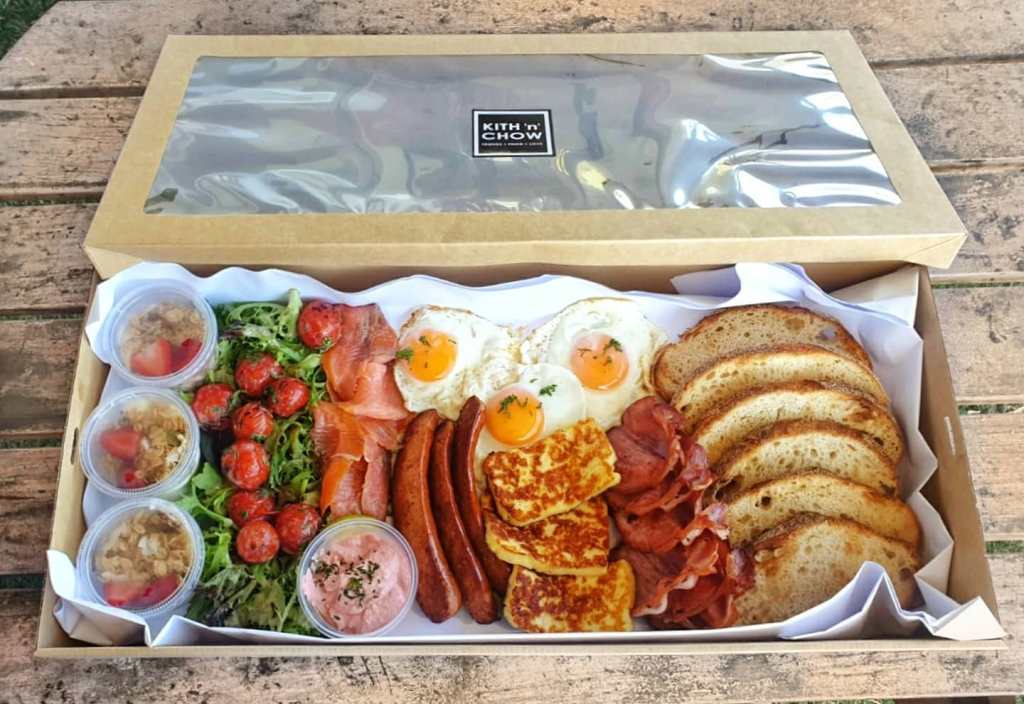
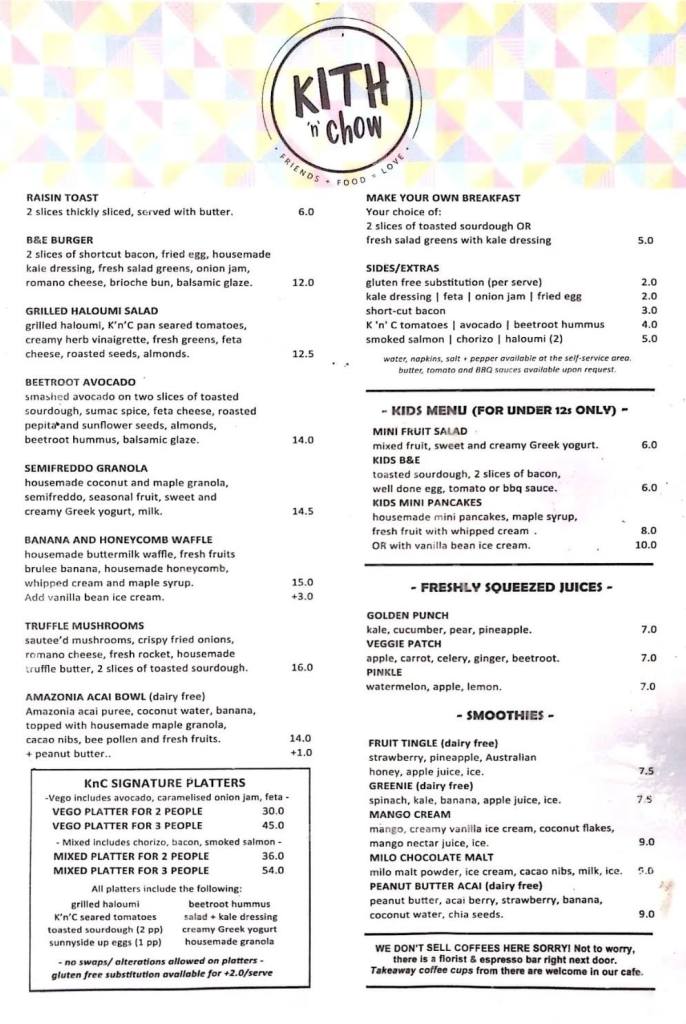
Kith ‘n’ Chow, located in Mt Gravatt, is most famous for their elaborate and yummy breakfast platters. These guys are open for takeaways and for deliveries within a 2.5km radius of their cafe. Even with their takeaway platters, they do not miss any details. Personally, whenever I get Kith ‘n’ Chow it is usually with my boyfriend and we order the Mixed Platter for 2 People and get some Hash Browns and we are all set. It is worth the money as it is a really delicious feed.

Pawpaw Cafe

Pawpaw Cafe is located in Wolloongabba and currently has their whole menu up for takeaway or delivery. The menu is really vibrant and a few of my favourite dishes to eat when I dined in was the Eggs Benedict and the Fish Tacos. Plus, their shoestring fries and hash browns are amazing for the taste-buds.

Another awesome thing Pawpaw cafe is doing is partnering up with OzHarvest Brisbane to deliver food to those who need it the most during the Covid-19 crisis. They are using a combination of their own funds and donations to execute this idea and give back to the community. If you think this would be something you’re keen on participating in, we have linked the page where you can donate below.

Deedot

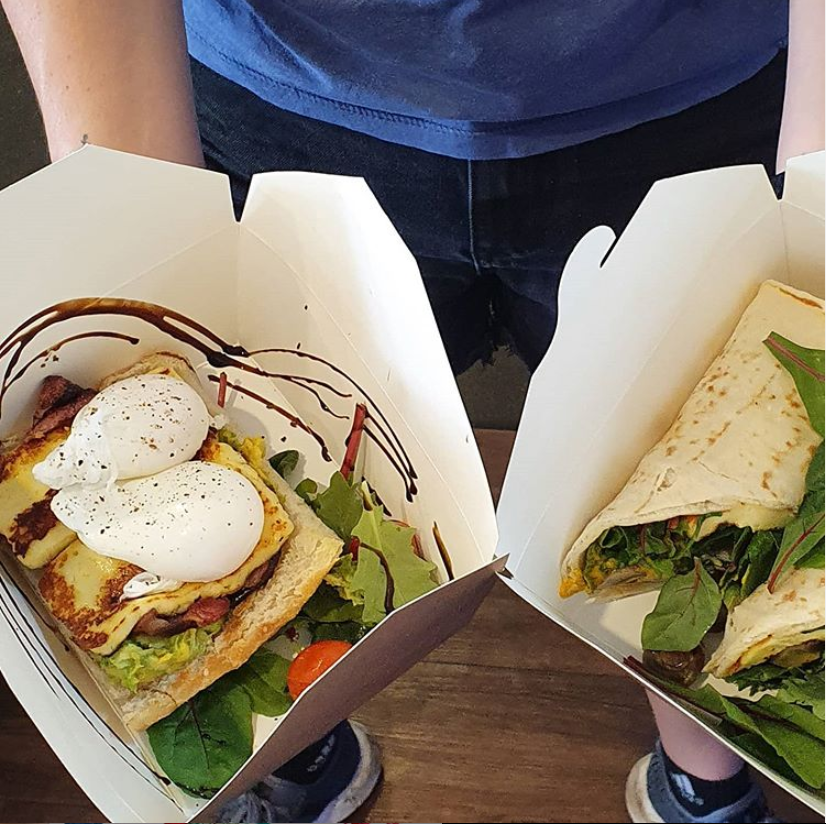
Deedot Cafe is very popular with its locals. It is located on Logan Road, Holland Park West and do contactless pickup or delivery. These guys usually have a seasonal menu so that you can keep coming back and never get tired to their delicious food. These guys are currently taking online orders for contactless pick up or delivery. A crowd-pleaser from these guys is their breakfast meal called “Stacks On!”.

Artist Spotlight

I thought I would do a quick spotlight on some of my favourite artists that I’ve been following for a while. These are all amazing people and if you’re interested, please show them some support if you can! Most of them have websites and prints up for sale and I’m sure they would appreciate it if you also enjoyed their artwork.

Celia Lowenthal

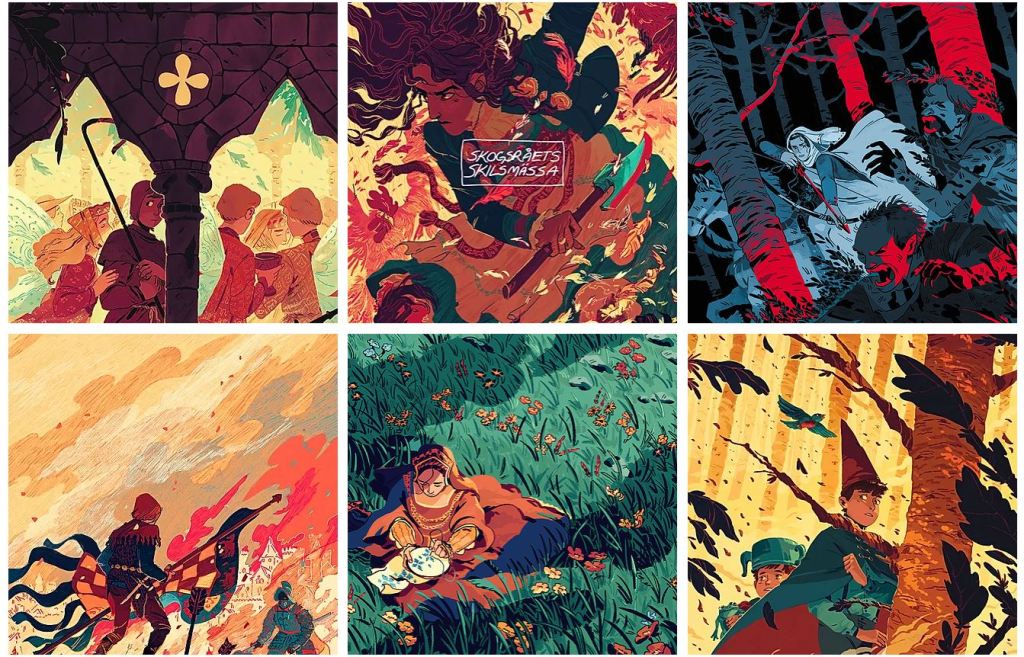
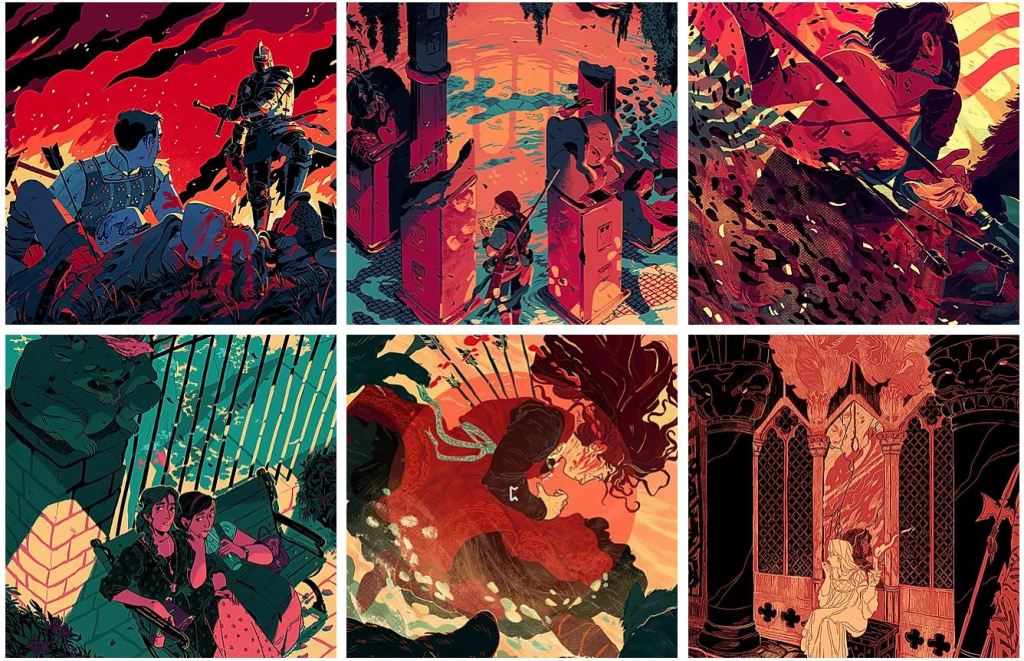
Celia Lowenthal is a New York based illustrator, graduating from the Maryland Institute College of Art in 2016. She specialises in literary comics and narrative illusions and has an absolutely amazing art style that really pops out at you. I’m a huge fan of the colour palettes she picks for some of her pieces and they’re just so wonderful to look at. She runs a blog on her website and offers prints as well!

Ling Ly

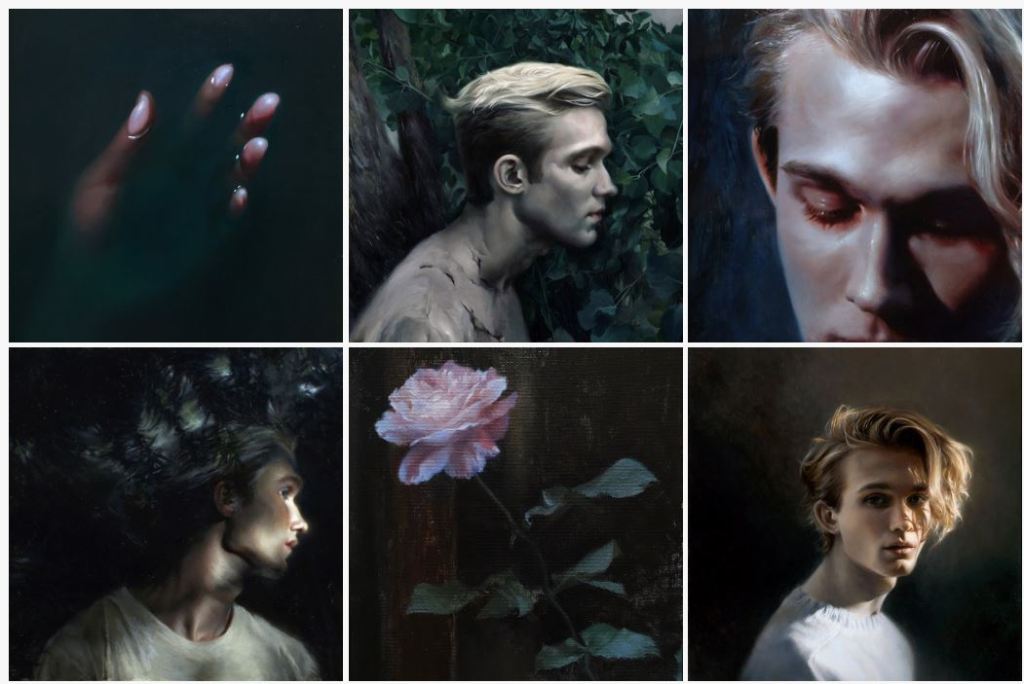
Ling Ly is another wonderful artist who draws you in with the deep colours and mood of her paintings and drawings. I really loved the dark colours and the sort of quiet she could convey through her arts and the attention to detail in her works is also incredibly. Ling also has prints up on in a shop on their website which I highly recommend checking out, I believe they do international shipping as well so if any of their works catch your eye, considering supporting them through buying their art!

Kaitlin Kahn

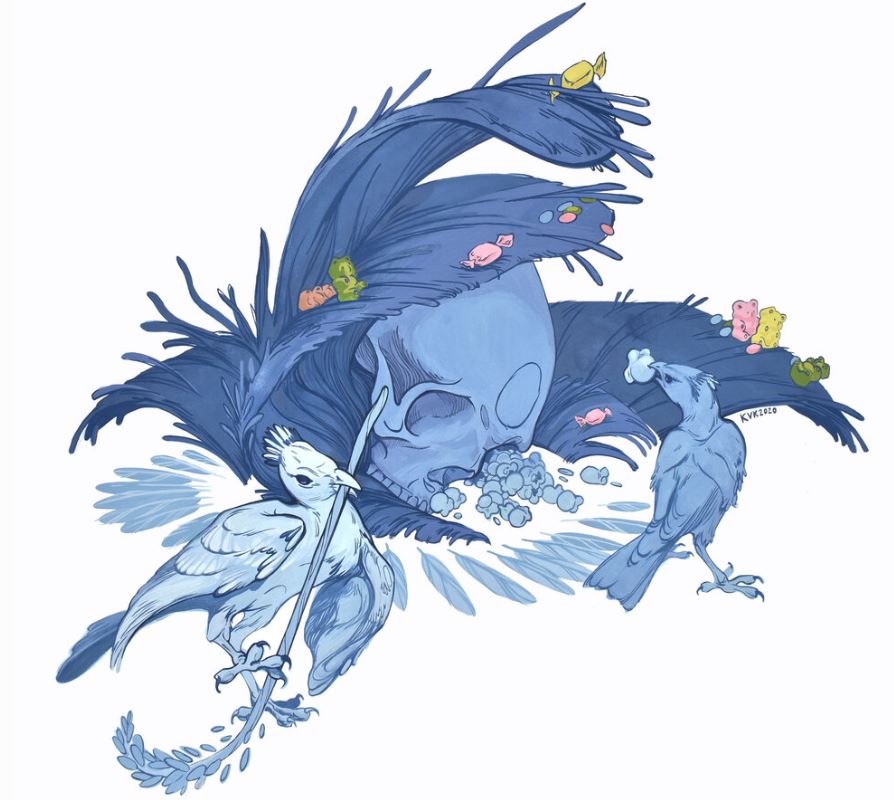
Kaitlin Kahn is another amazing artist that has a number of art pieces in up on her shop as well as displayed on both her Instagram and her website. They mostly focus on the natural world and its animals, and I love how some of her works are a little bit surrealist and strange but at the same time very familiar, and it really helps bring out the magic in nature and in art and I think she’s absolutely worth checking out if you haven’t heard of her.

From her website:

Kaitlin is a self-proclaimed naturalist, in Auburn, California, who works primarily in Gouache and Watercolor. Her work is a celebration of quiet, whimsical moments in nature that touch on the quirks of humanity. She is a student of movement and of light and of storytelling.
Kaitlin Kahn

Art By Ziu

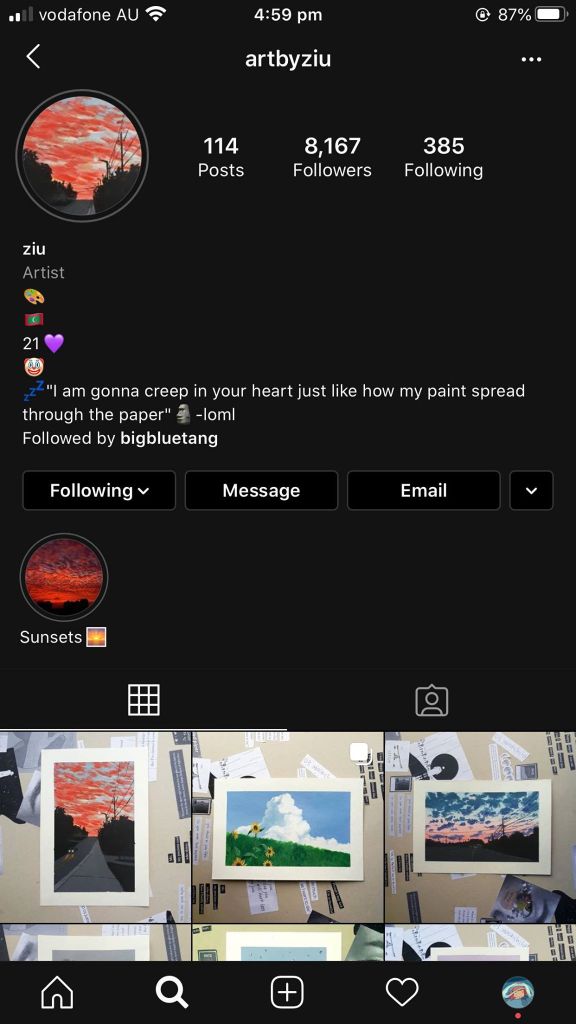
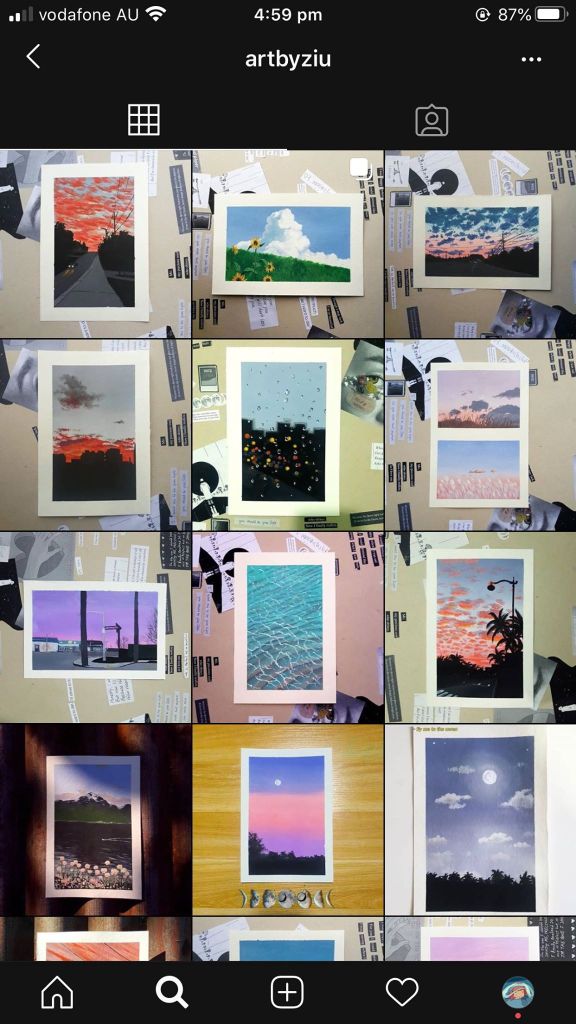
@artbyziu makes these gorgeous gouache paintings of scenery and I think they’re sunset pieces are especially wonderful and capture the mood really well. Their Instagram is filled with lots of great little paintings that are treasure to scroll through. If you like their work I recommend giving them a follow and keeping up to date. Right now they’re painting some photos of sunsets that fans send to them so if you’re interested I suggest you go have a look at their work!

Improve Your Study Habits With These 8 Apps

Studying from home is hard. To make study a little easier, we have compiled a list of phone apps and chrome extensions you can use to boost your productivity and get more out of your day.

Phone Apps

Progress of Project

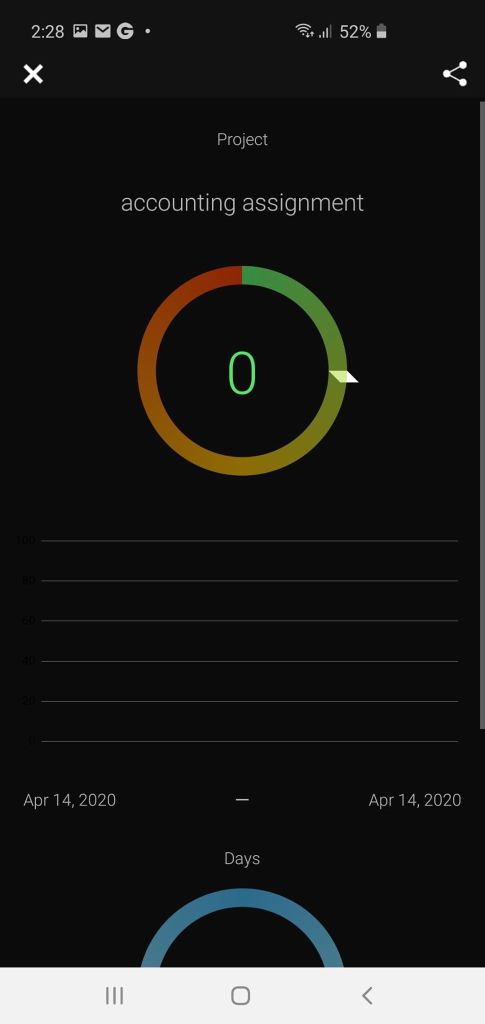
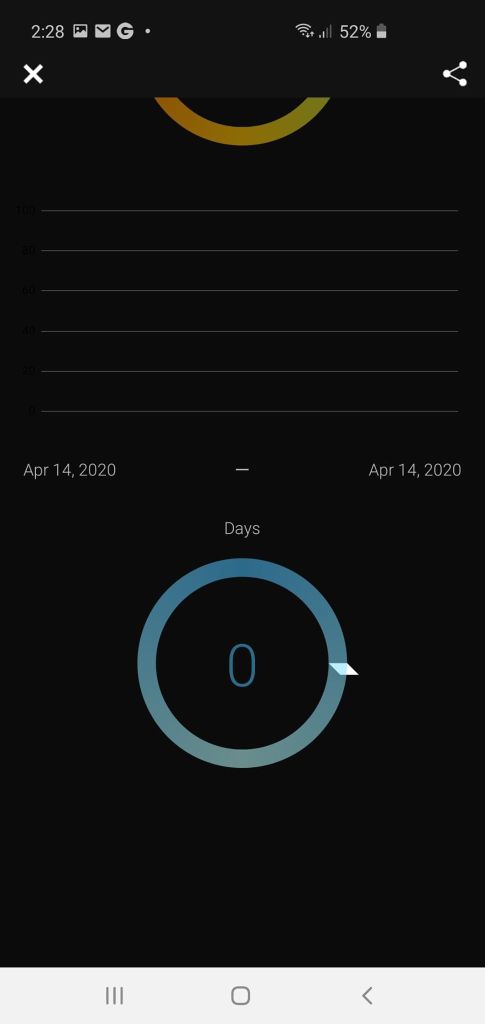
The Progress of Project is a project management app. When I work on assignments, I find that it helps to see how much of the assignment I have completed and how much I have left to go. This is a glass half full kind of approach. It also tells me how much of the assignment I should do each day to complete the assignment 100% before the due date.

The good news is that this app is very simple, easy, full feature and FREE. The only con about this app is that it is fairly new and is still being progressively updated but is an amazing concept.

Vocabulary Builder

I have always struggled with building my vocabulary. In High School I clearly remember my grade 12 Ancient History teacher tell the class that using a vocabulary builder app is a small way you can progressively build that vocabulary (Thank you Mr Connell).

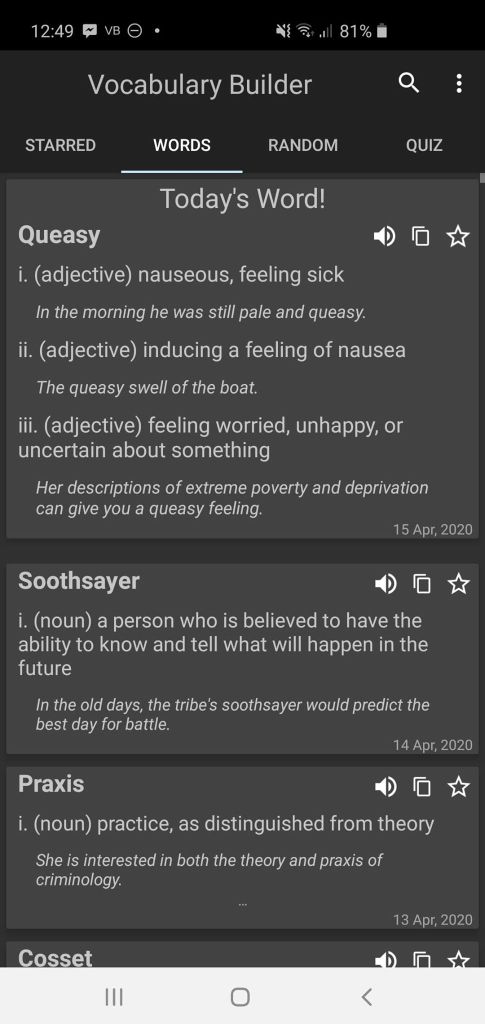
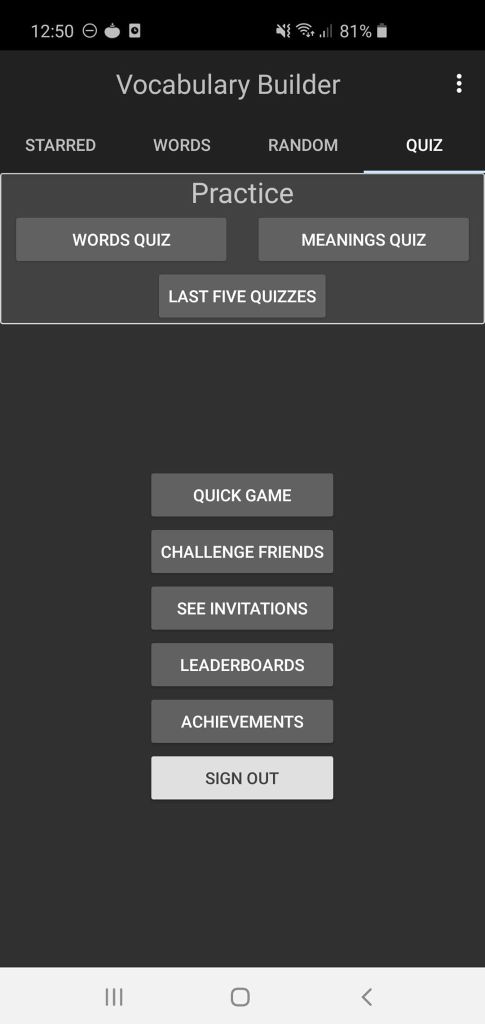
The app works by having a “Word of the Day” that the database deems relevant and useful. For example, yesterday, the word of the day was “Soothsayer”. To challenge yourself, there is a quiz section where you can see how much of the definitions you remember. In the quiz section you can also challenge your friends!

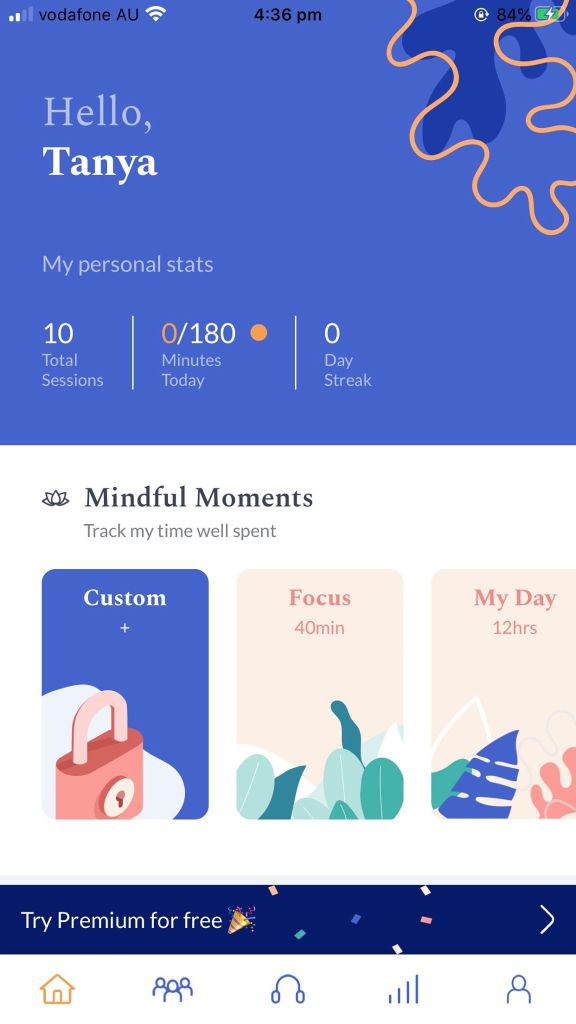
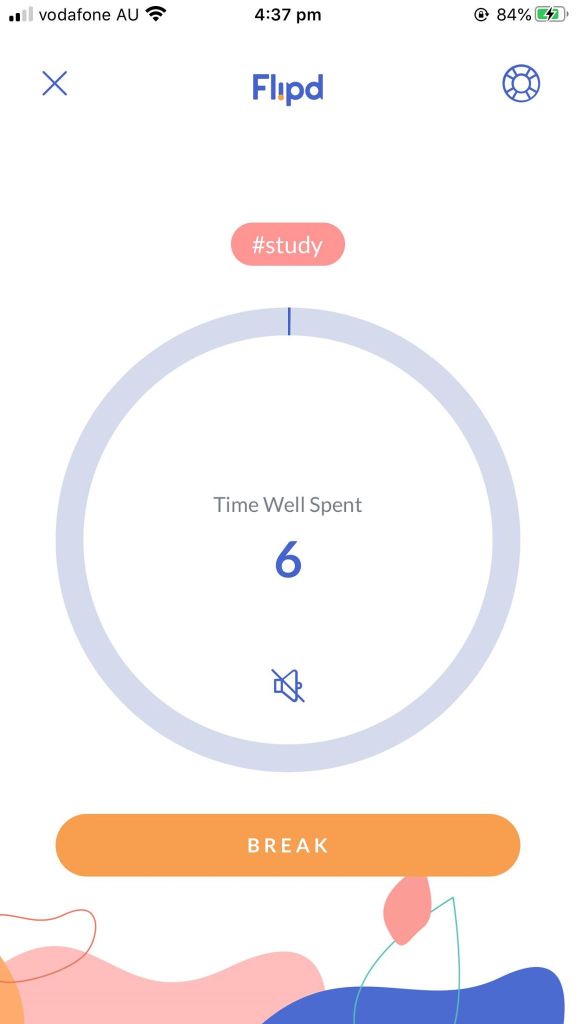
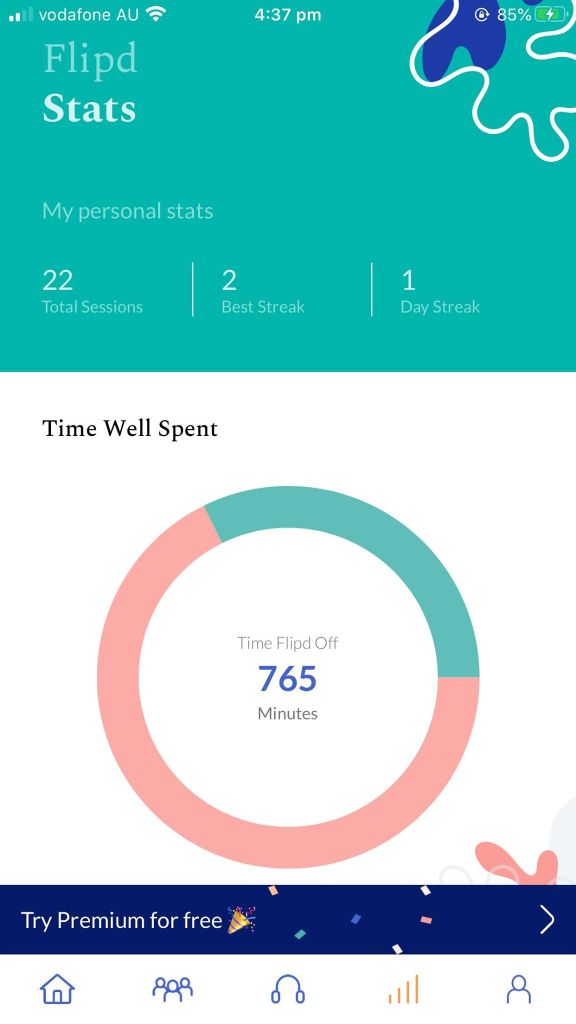
Flipd

This app is both for wellness and productivity – a two in one deal. Essentially what Flipd does is count the minutes you spend doing something productive! There are presets available to you for free that give you a wide range of times, from half an hour to half a day. The one that I use the most is the one hour study. It helps me keep focus because I can see just how much time I’m spending on my studying activities, and motivates me to reach the full hour without slacking off. The app itself has a very clean and uncluttered design so it’s quite soothing to pop into, and there’s a stats page so you can have a look at how you’re doing in terms of time well spent.

Flipd is free to download, but there’s a premium version available as well for a small fee that unlocks some extra features and gives you more control over customisation. Personally, I think the free features are enough to help you stay on track for routine tasks and there’s no need to upgrade, but the option is there if you really love the app.

Office Lens

Office Lens is an app created by Microsoft to trim and make photos of whiteboards and documents readable on your device. For example, you write some beautiful notes in your Law unit and it’s colour coded etc, you use this app to take a photo and it is converted into a PDF, Word and PowerPoint files, and save to OneNote, OneDrive or your local device.

Desktop Apps

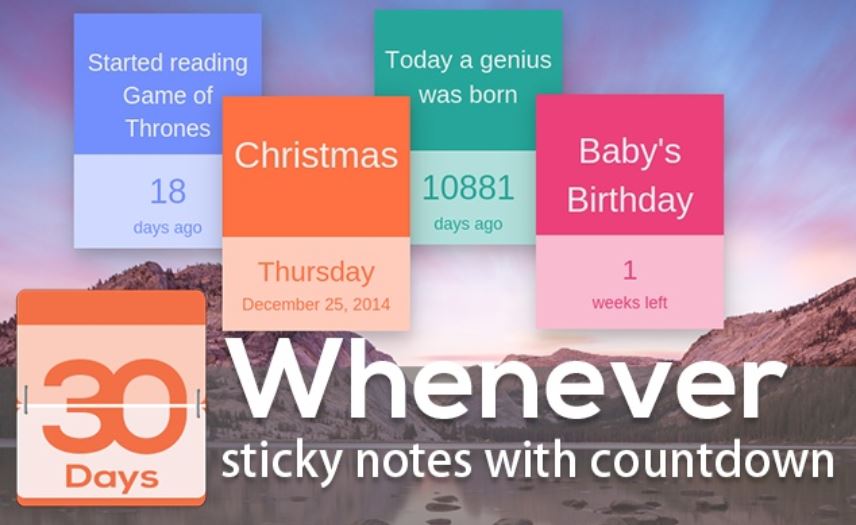
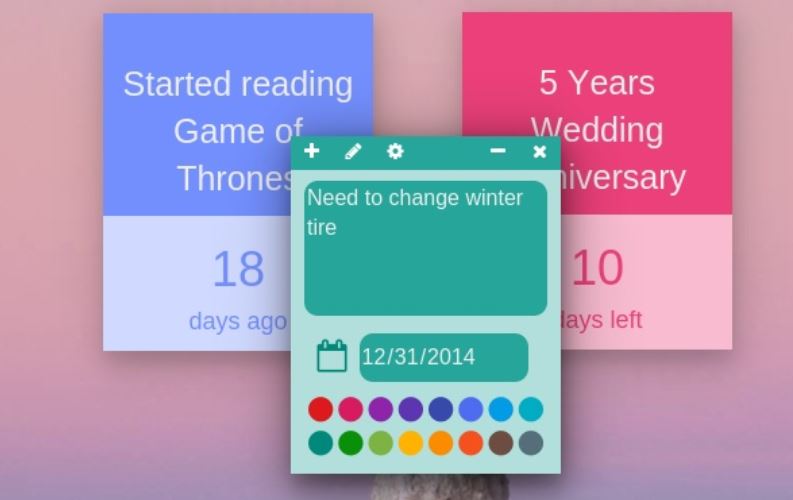
Whenever: Sticky Notes With Countdown

This desktop app allows you to keep track of important dates and deadlines and comes with a countdown feature. You can write notes and attach a date to them, and there are a variety of colours for you to pick and choose from. I find this really useful for keeping track of assignments, exams meetings especially since uni for me has moved online.

It’s available for free from the Chrome Web Store but it isn’t actually an extension and doesn’t appear in your browser. Instead you can pin it to your taskbar or have it pop-up on desktop whenever you open your computer.

Chrome Extensions

FocusMe: A Pomodoro Timer and Website Blocker

This chrome extension is a two in one deal. It has an ad blocker and a Pomodoro Timer. This is the timer I mentioned in my previous blog post, “My 2020 Doodle Planner”. The Pomodoro Technique is when you learn to work with the time you have rather than against it. The idea behind the technique is that you can make work tasks more manageable by breaking up your time into short breaks and intervals. This enables your brain to focus on the task at hand.

The ad Blocker component of the extension does what its name says. When clicking on manage extension you can decide how and what websites you would like blocked during your working intervals. The options are “On Click”, “On specific Sites”, or “On all Sites”. I personally use “On Specific Sites” and enter the URL codes to Facebook, Instagram, YouTube and Messenger. This way, if I try to access these websites during my work period it blocks me and tells me to go back to work.

Grammarly

For Grammarly, there are three plan tiers. There is the free version, Premium and Business. I find that the free version is enough for me as I don’t need the extra features that often and it provides basic writing corrections. If you’re willing to invest the $$$, the premium version provides advanced writing feedback like, consistency, fluency, readability and engagement.

I use this mainly for when I am submitting work online such as my university Forums or emails. It ensures that I don’t make an unnecessary writing errors when I am sending important emails or submitting graded forum responses.

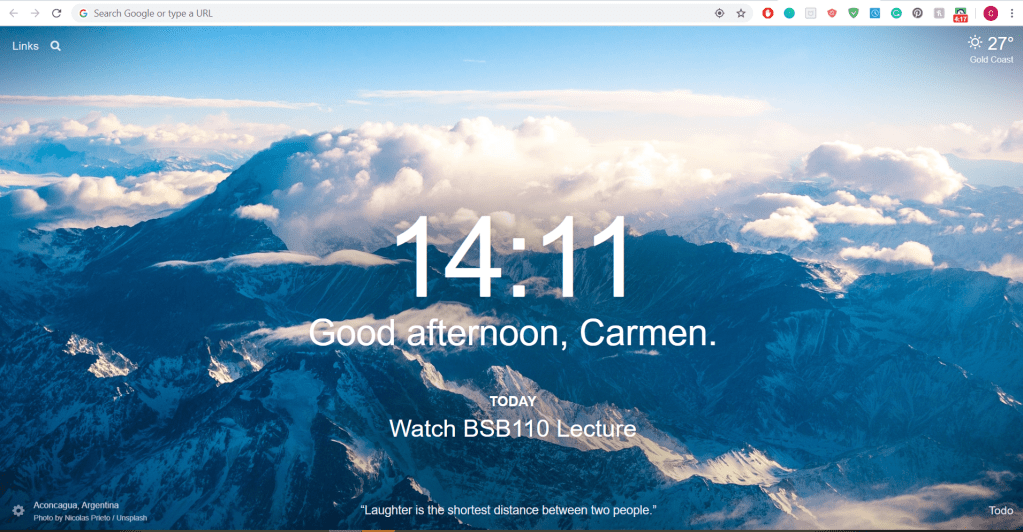
Momentum

Momentum is a Chrome Extension that replaces a boring new tab page with a personal dashboard. The idea of the extension is to give users a moment of calm and to inspire you to be more productive.

The dashboard features (Free Version):

  • the weather and forecast
  • a customised to-do list
  • inspirational quotes
  • daily focus
  • Links
  • Search

My Art Supplies: Pens, Paints & Paper

An Overview

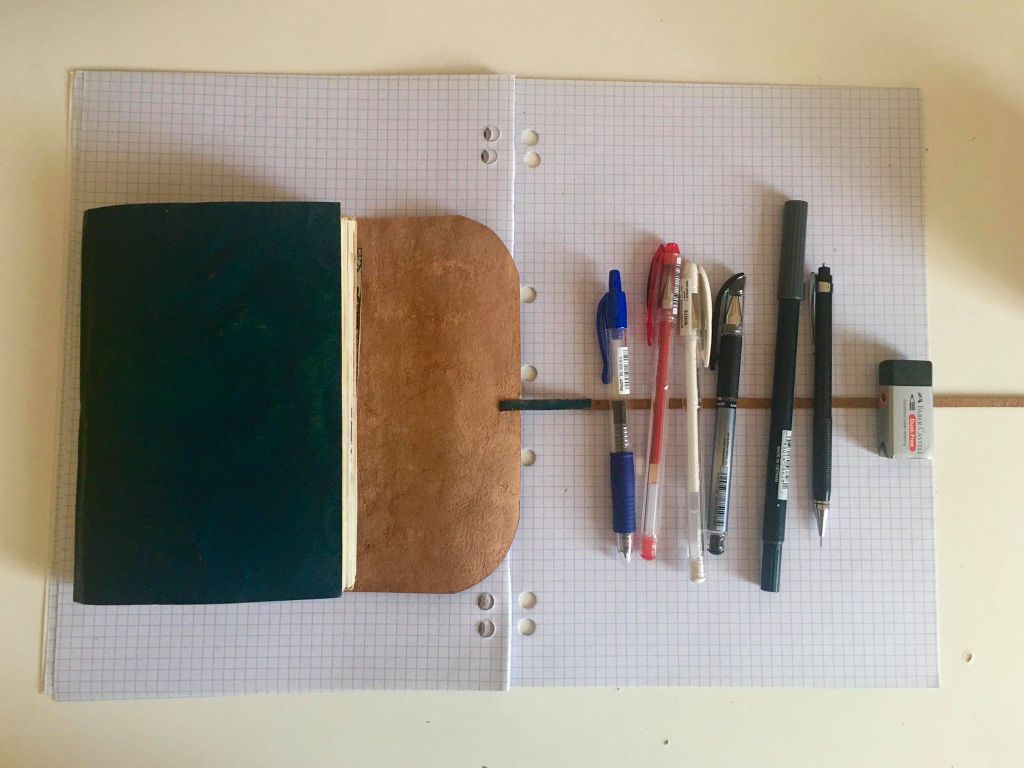
Mostly, I fill out pages of my sketchbook/journal – the blue leather one. I prefer using watercolours because I find it quick and easy to set up and clean so it I can squeeze quick doodles and sketches between other things. I’m also by no means, a professional, it’s just a very relaxing and stress-free thing to do after a long day at work or uni, but I am trying to actively get better at fundamentals by practicing as much as I can.

I do tend to grab and use whatever is near me because I’m a bit lazy, so parts of my sketchbook are just made up of scrap pieces of paper and drawn with a regular ballpoint or pencil.

I’ll link what I can find, but there are some things that I bought either at markets, overseas or a while ago that have no online equivalent.

Pens

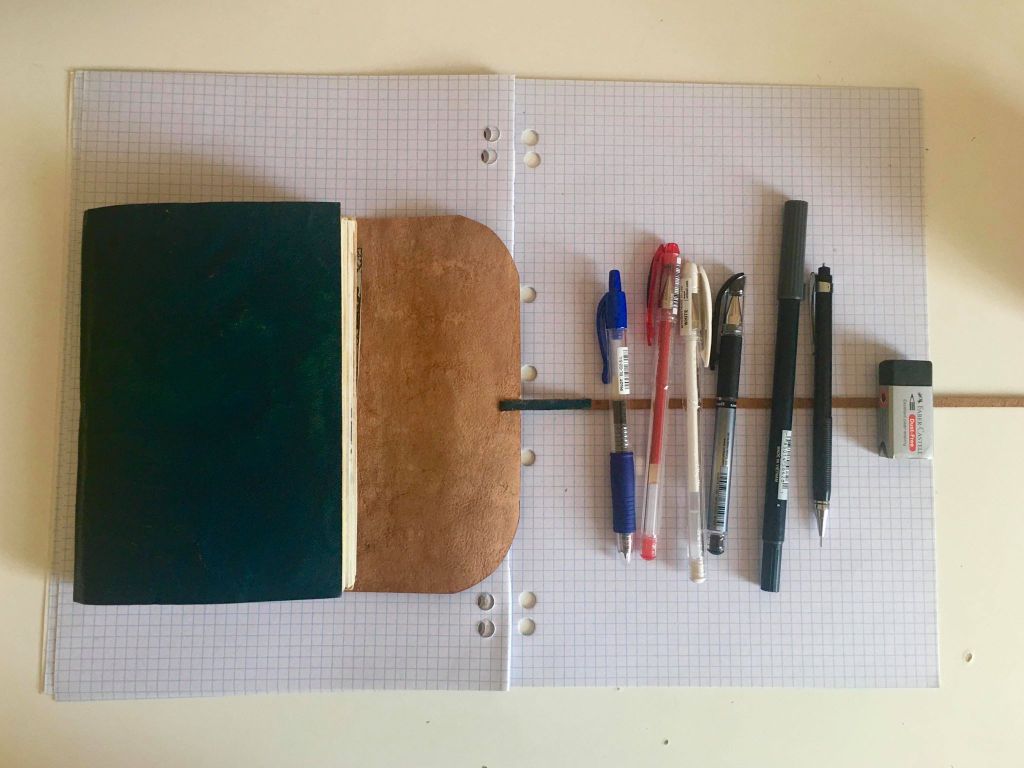
I will use whatever pen is near me, I don’t pay as much attention to the quality and type because I mostly use them to sketch or line, but these are the ones that I currently have that I’m very happy with!

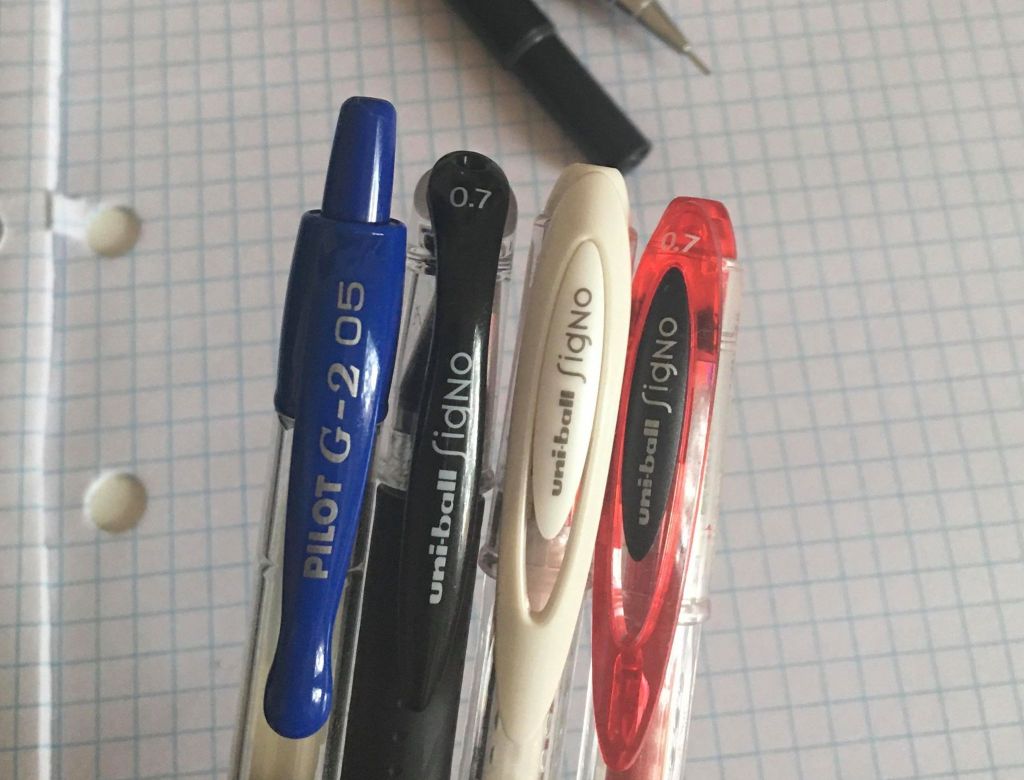
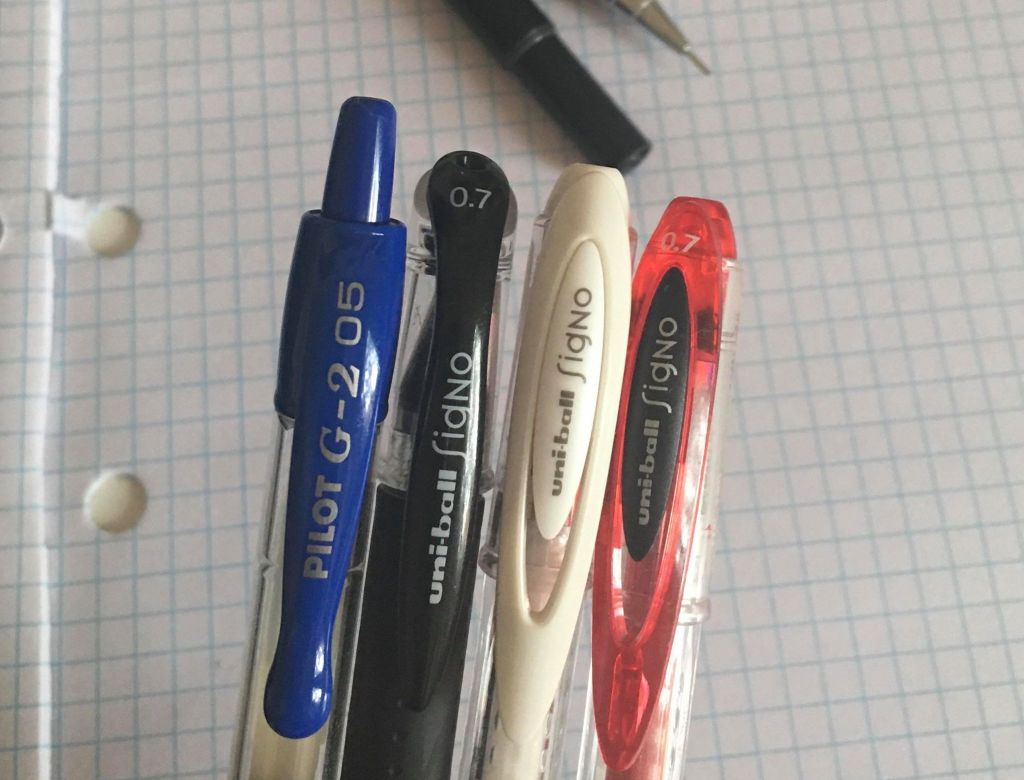
Uniball Signo DX Rollerball Gel Pen – Black, 0.7mm

I use this one a lot to go over pencil lines or do borders and outlines. This is also waterproof so I can lay down the lineart on paper and then go over it with watercolours without any bleeding or smudging. It does take a few seconds to dry and you have to make sure it’s completely dry before going over it with water, otherwise it can definitely smudge. Depending on the effect you want, 0.7mm might be a bit too thick. I’m considering getting another one that’s thinner, maybe 0.5mm or 0.3mm just because the black lines can be overpowering if you’ve got really light colours in the painting.

Uniball Signo Fine Gel Pen – Red & White, 0.7mm

These are similar to the black Uniball pen, they’re also waterproof but I mainly use them for sketching alone – usually on some brown craft paper – but I do sometimes use them for highlights. It’s smooth and doesn’t bleed or come out in clumps so they’re very reliable.

Pilot G-2 Retractable Gel Pens – Blue, 0.5mm

This isn’t waterproof and I use it just for sketching, on both regular paper and craft paper. I don’t use this one as often but when I do I’ll use it together with the red and white pens. This one is also pretty reliable, there is a bit more control over line width because it is slightly smaller at 0.5mm.

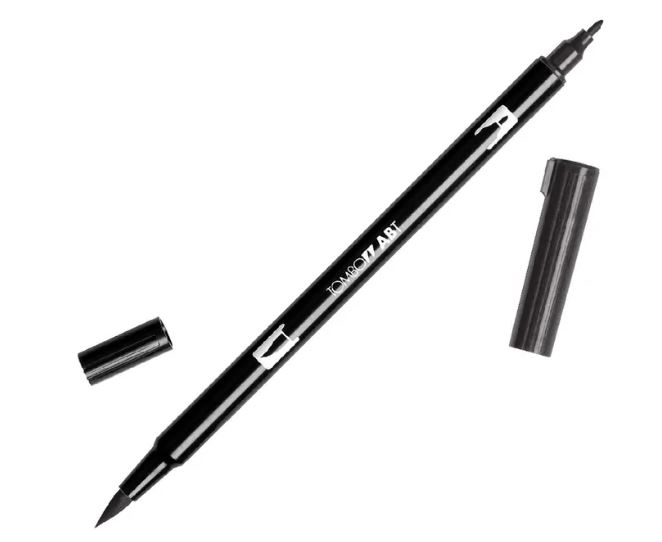
Tombow Brush Pen N15

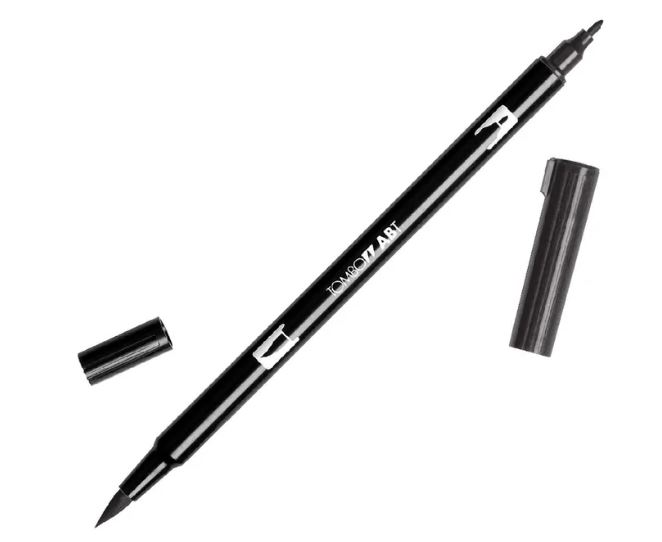
The markings on my brush pen have actually rubbed off so the image is from a retailer which I’ll link later on. These are water-based so they’re good for blending if you’ve got other brush pens, or even with watercolours. I’ll sometimes put a bit of the black in and blend out from there, but I generally use them to enhance pen sketches or fill in white space. The brush tip covers a lot of surface very quickly and is a nice, dark colour. Putting a lot of it on paper can be tricky, and depends on your paper. If the paper is too thin there’s a chance it’ll bleed through and stain whatever’s underneath, and the paper can get a bit warped and soggy. If you use mixed media, cotton or watercolour paper though it works really well. It’s double sided, so on the other end there’s a fine tip for more precise work.

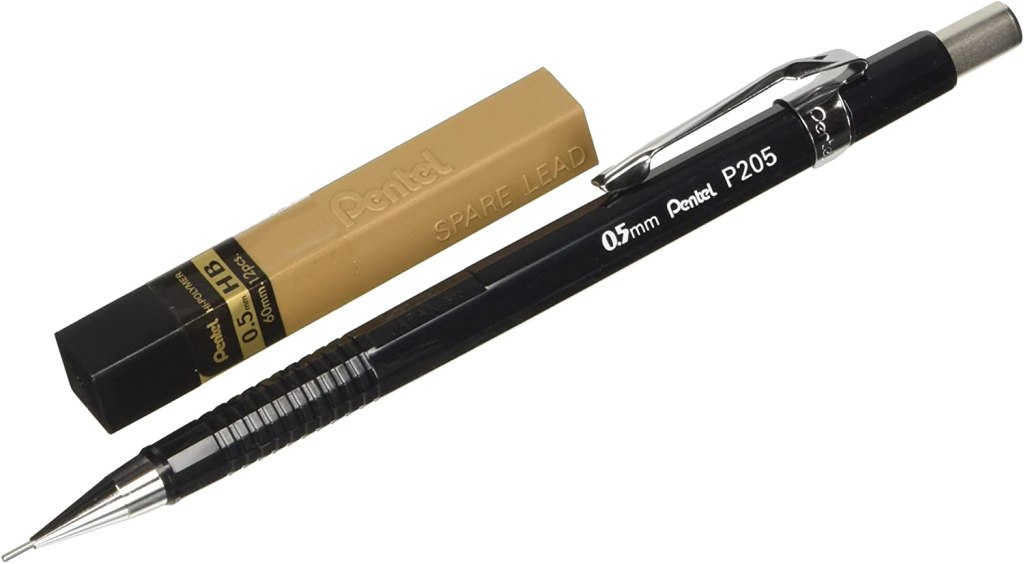
Pentel P205 Mechanical Pencil 0.5mm

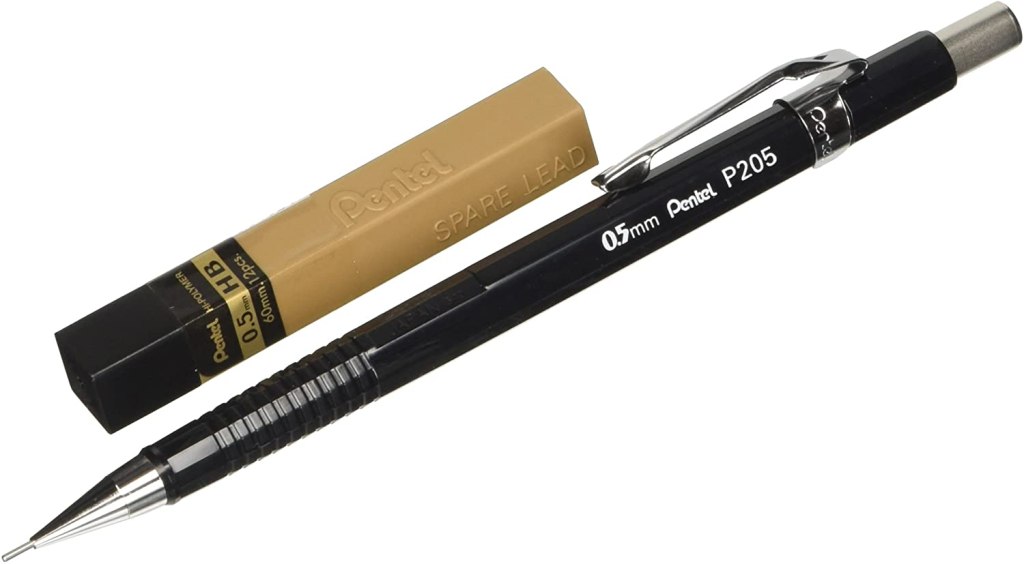
Not quite a pen, but I use it a lot of my underlying sketches (it’s also great for studying and making quick notes/working out since it’s so smooth). Sometimes if you don’t rotate it as you work, you’ll end up with a sharp edge to the lead that can dig into the paper, but if you’re aware of it it’s pretty nice.

Paints

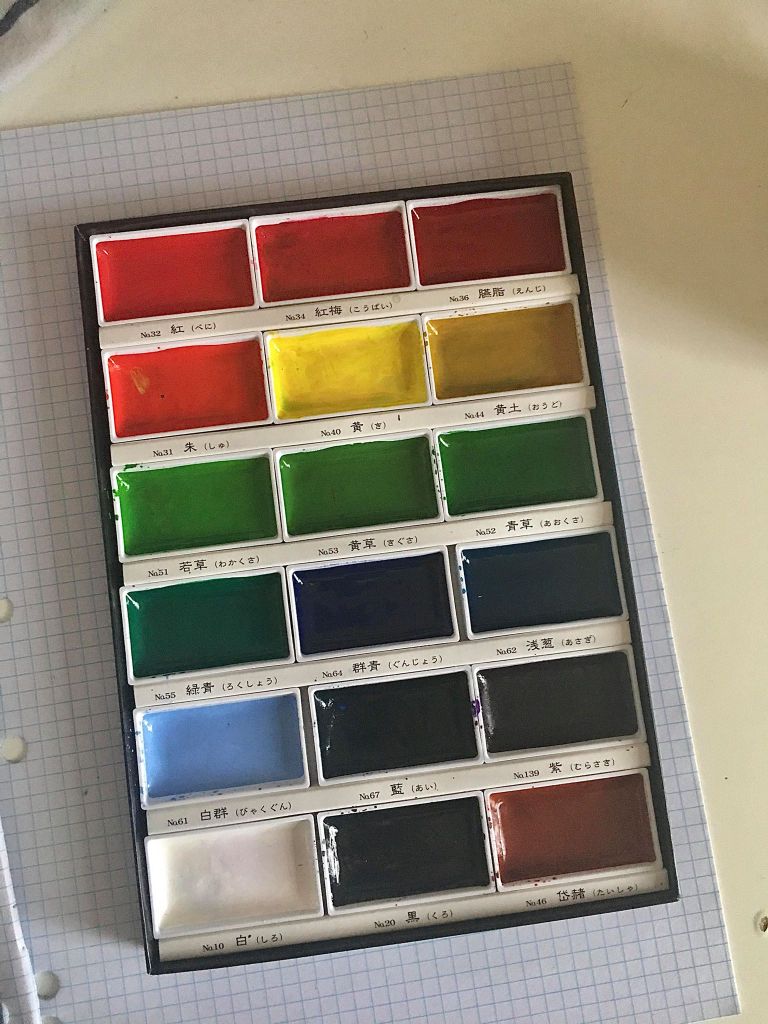
Kuretake Gansai Tambi Water Colour Sets

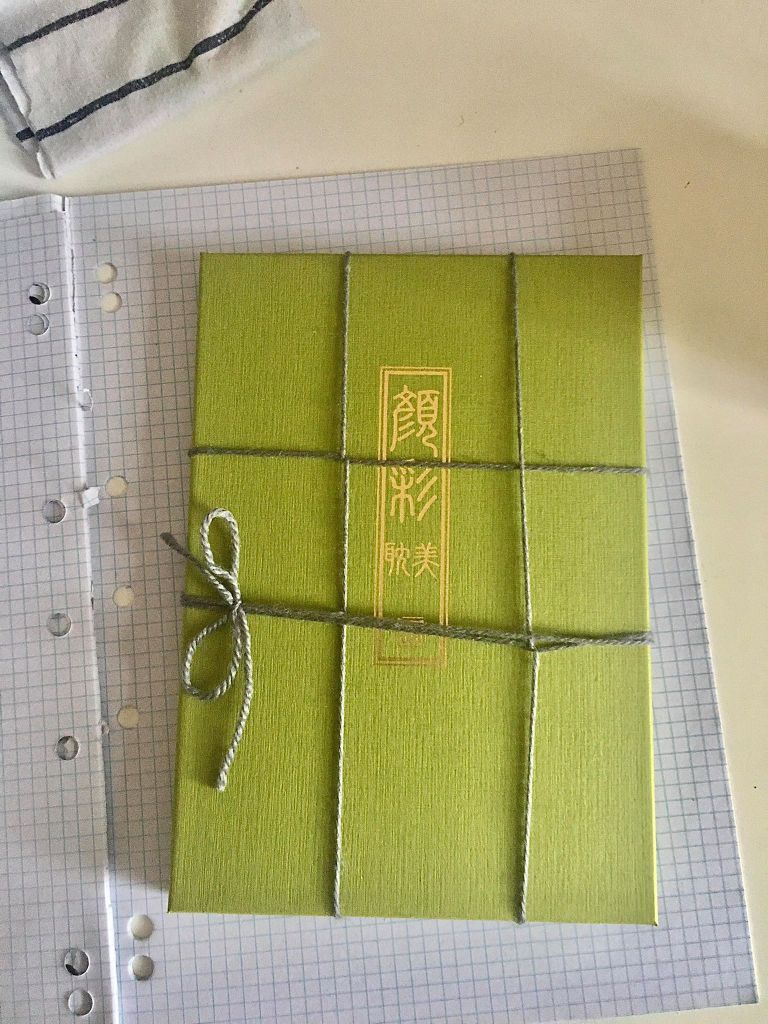
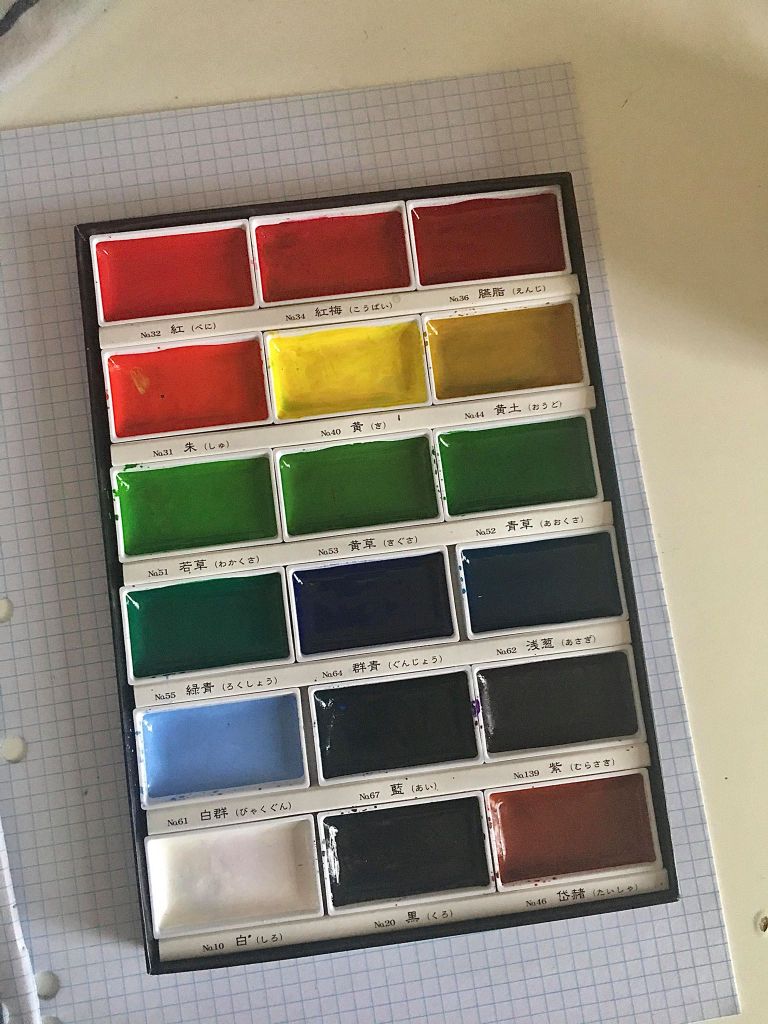
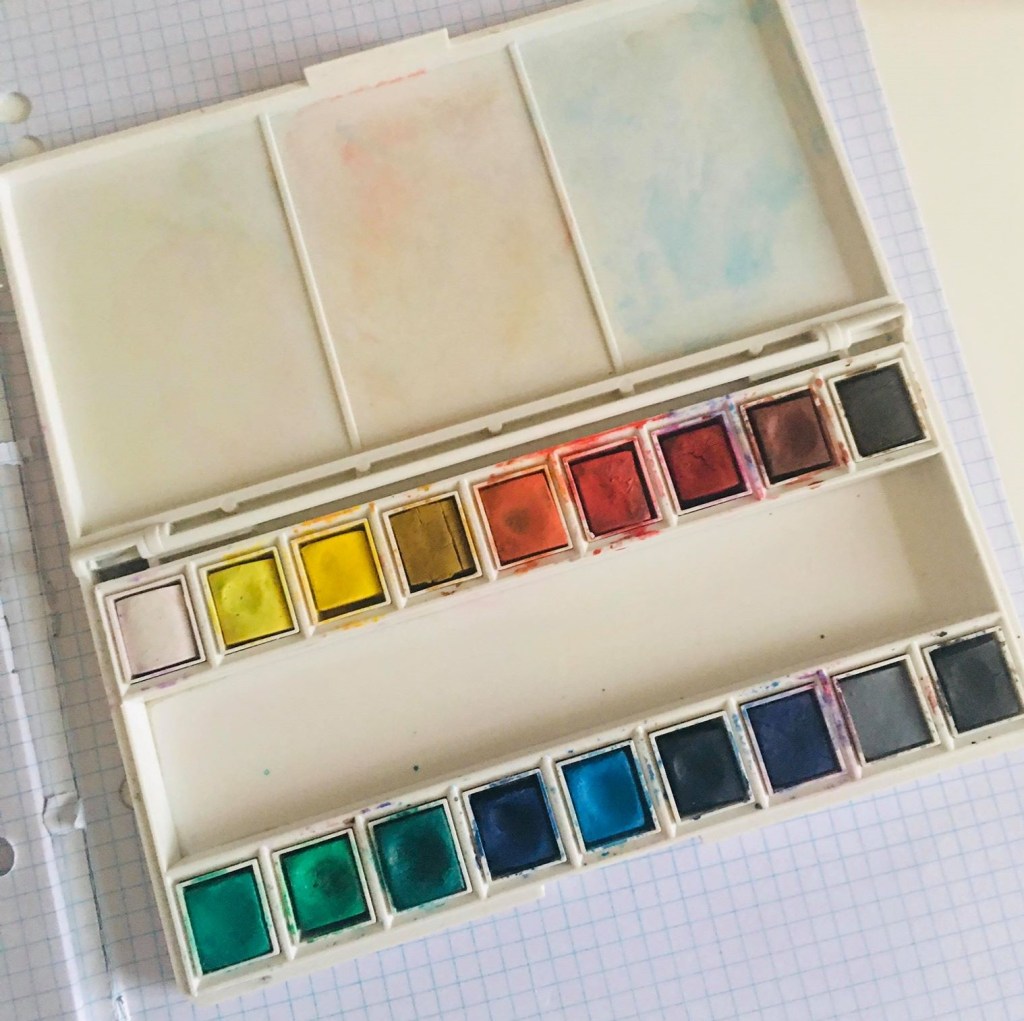
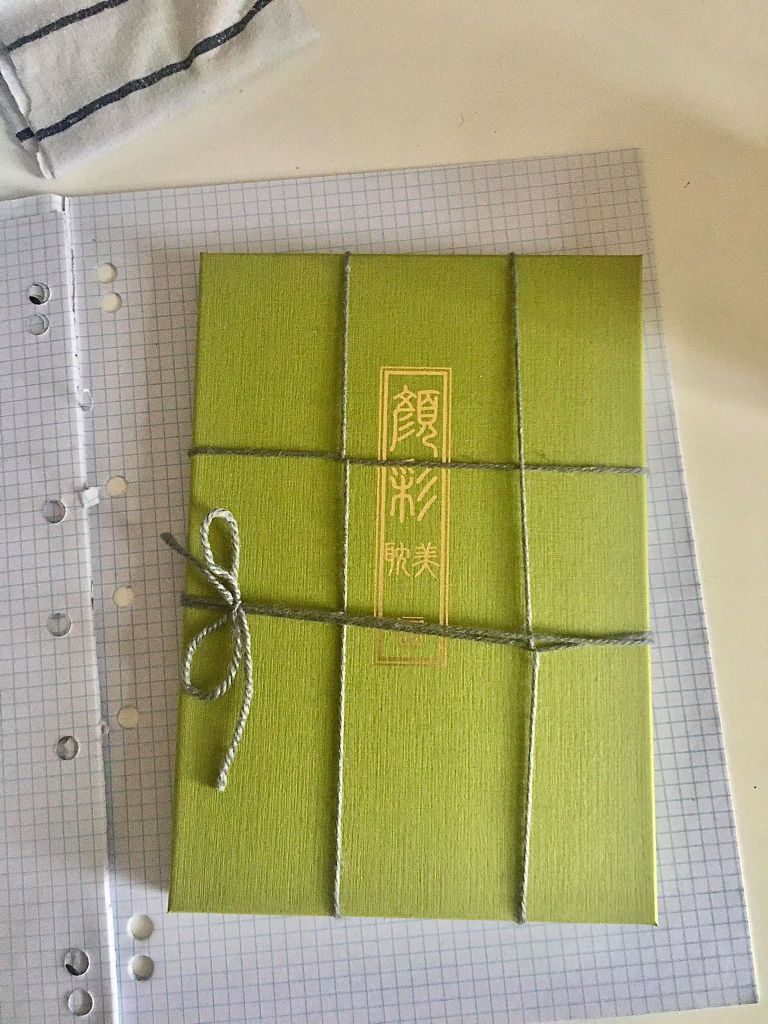
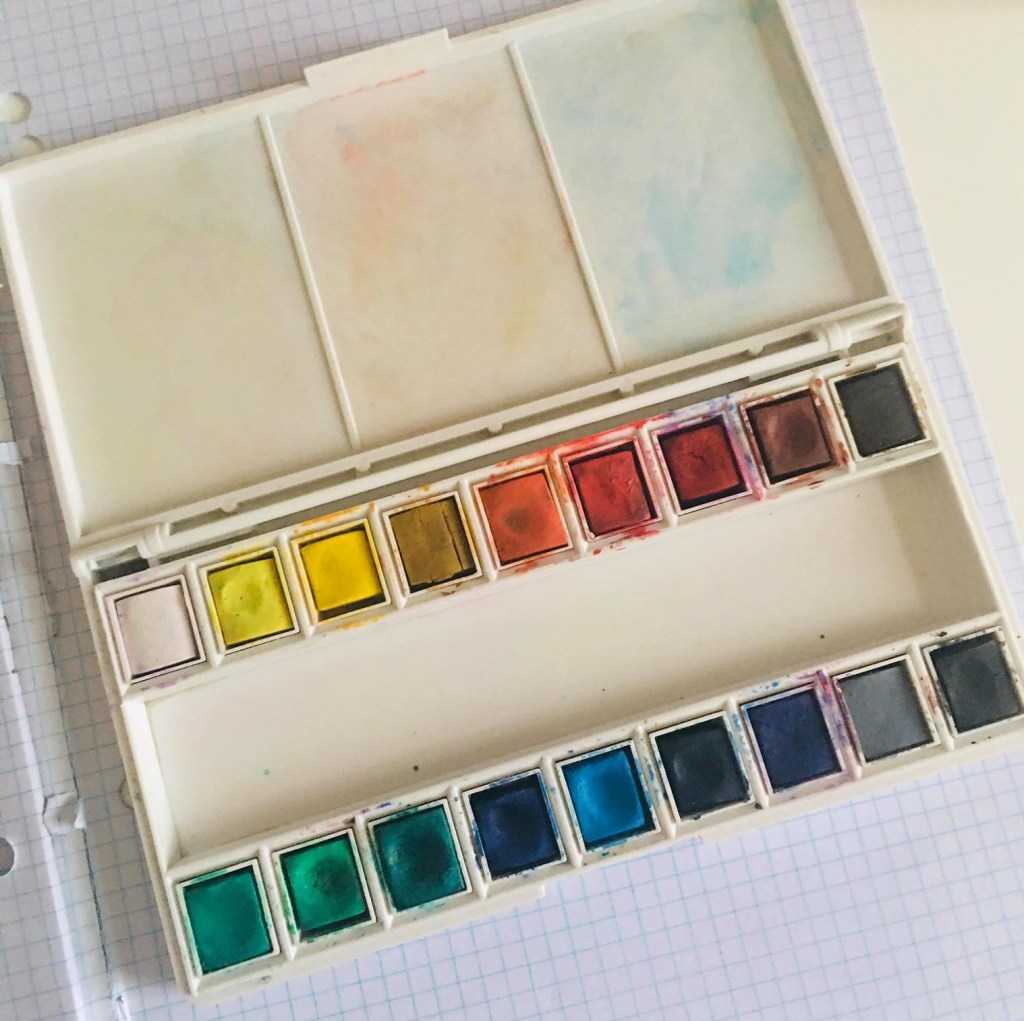
Currently, I have the Kuretake Gansai Tambi set of 24 colours. I might review them in more detail later on, but they’re a bit different from typical watercolours in that they’re a bit thicker and opaque – a slight cross between watercolour and gouache paints in my opinion. The colours are vibrant and there’s huge mixing potential. The pans on this set are full pans, so there’s a lot of paint to work with. There’s a plastic cover that comes with it that I use as a palette which works well since there’s a lot of space to mix. The packaging is also really nice and I tie mine up with some wool to make sure I don’t accidentally just grab the lid and let the whole thing slide to the ground. They come in a few different sizes (set of 18, 24 and 48 I believe) and this brand actually has metallic paints which I haven’t had the chance to try out yet, but seem really fun. I bought these on sale last year, but I do think they’re priced decently for the utility they offer!

Guitar Watercolours

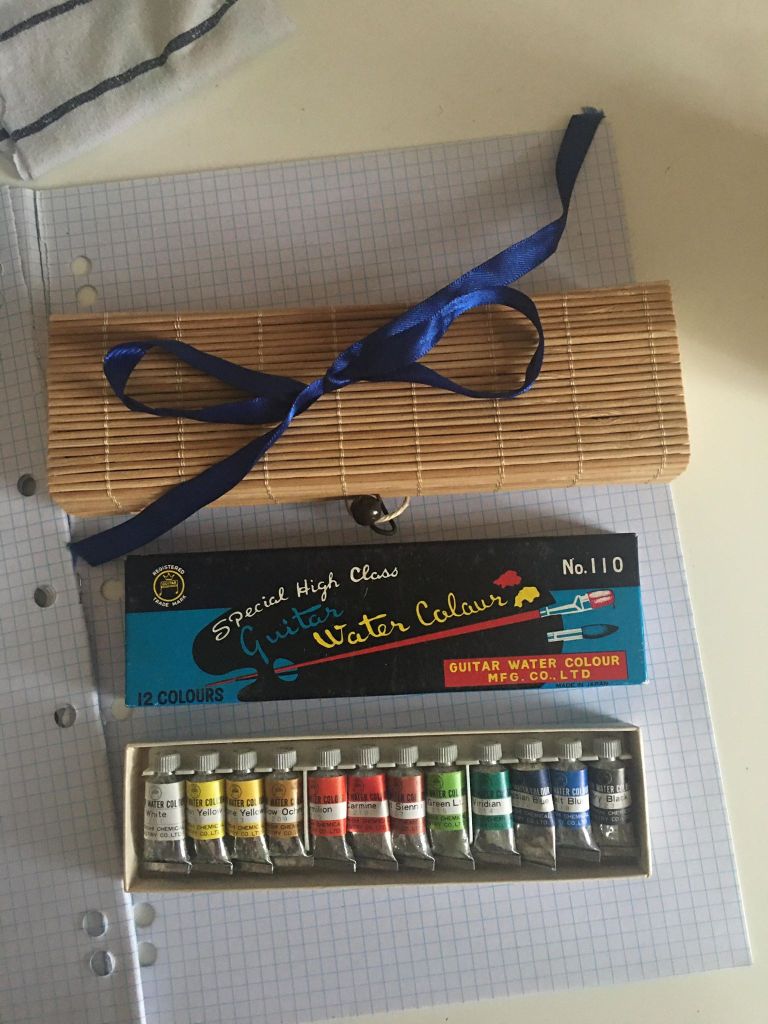
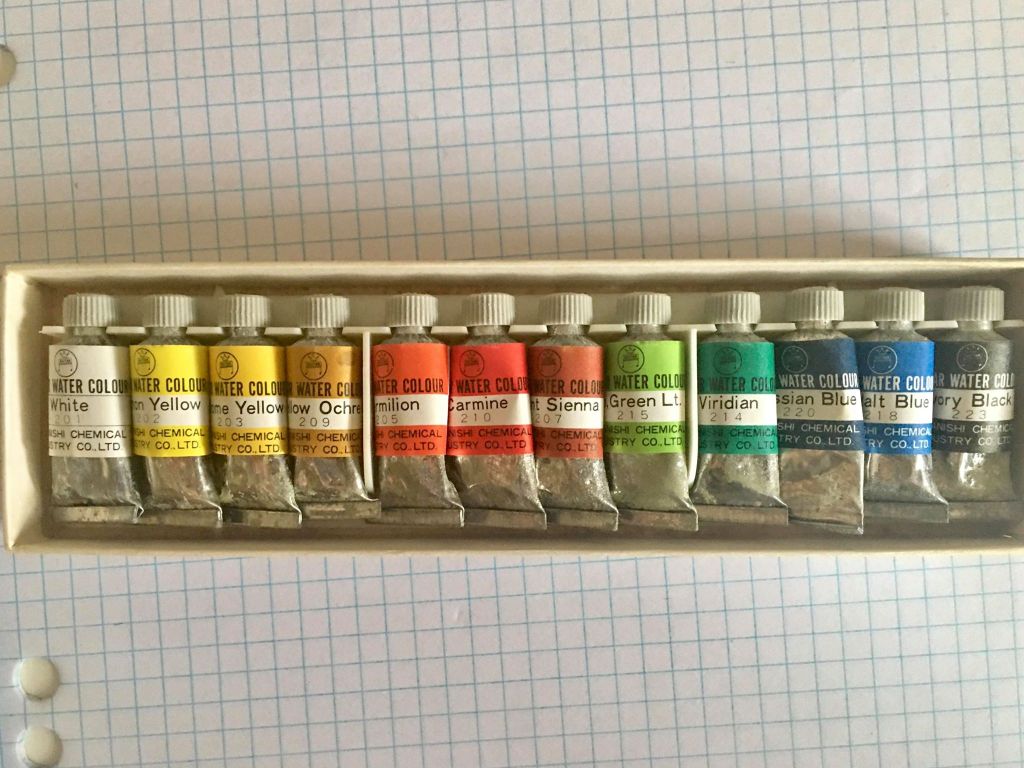
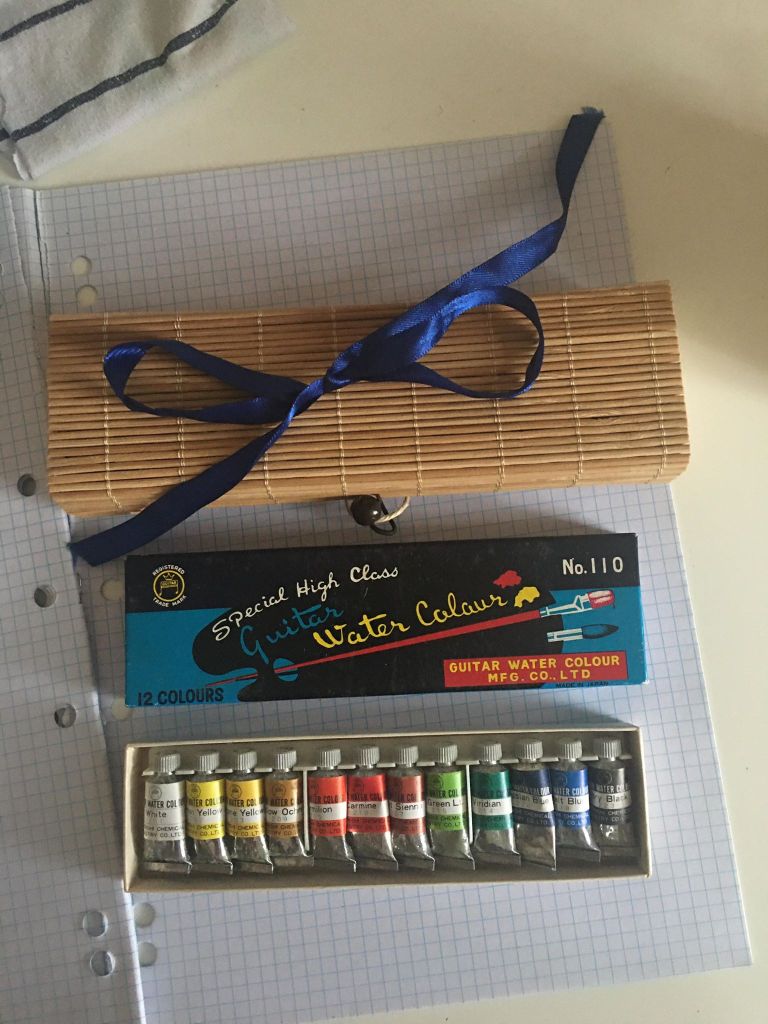
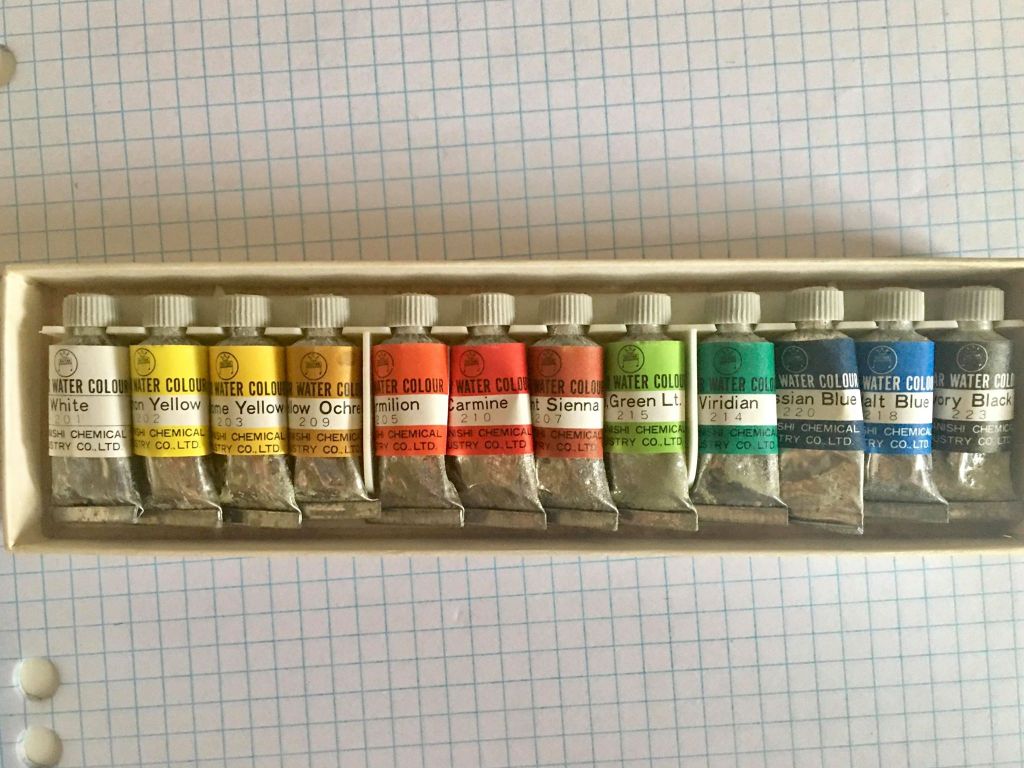
I got these in Indonesia from a small art shop a while ago when we’d gone back to visit family, and I had a search online while typing this up to see if I could find it in store somewhere. From what I saw, it seems to be discontinued or sold as “vintage watercolours” so my guess is that the vendor I got it from had been holding onto them for a while. These watercolours are amazing though, the colours are so vibrant and dense, so it takes only a little bit of paint to cover a whole page. I keep them in a little wooden pencil-case box. I don’t use these as much because it takes a bit more time to set up, but so far I’ve had no complaints from using these. It’s a bit of shame they don’t seem to be available online anymore.

Mont Marte Watercolour Set

I still have my Mont Marte set which I picked up from the dollar shop a while ago. It’s definitely not the best quality, it can come out chalky and dull, but it was a good beginner set because there were a lot of colours and there was that space to mix colours on the lid so it was very portable and quick to whip out. It came with a brush pen and a small sponge as well so it’s a pretty contained set. I still use them for rough sketches and testing to work out what I want, before swapping to the Kuretake Gansai Tambi set. I noticed when I searched online they were actually a lot more expensive than what I bought them for, so it might be worth visiting a local bargain shop to see if it’s there for a lower price.

Paper

Blue Leather Sketchbook

My blue leather sketchbook I bought from the Glebe Markets in Sydney last year, the pages are 100% handmade cotton paper and the leather has been dyed that blue colour. It stood out to me in the stall because every other notebook and sketchbook was the usual brown or black. The paper holds markers, pens, gouache and acrylics really well, it’s quite thick and doesn’t warp. Using an eraser on the page tends to actually peel away the texture of the page and damage it a little, so I avoid making dark pencil sketches on the paper itself. It holds watercolour well enough, but it can be difficult to blend and get a smooth gradient. The paper doesn’t hold water as well as it holds the other paints, and the colours aren’t as vibrant as they would be on regular watercolour paper, but it’s reliable for quick, lighter sketches.

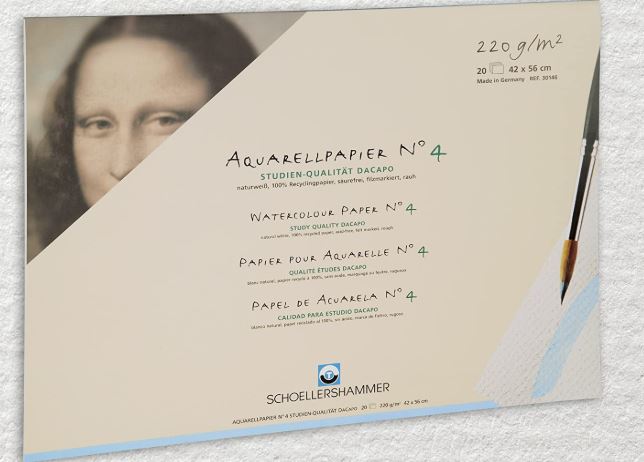
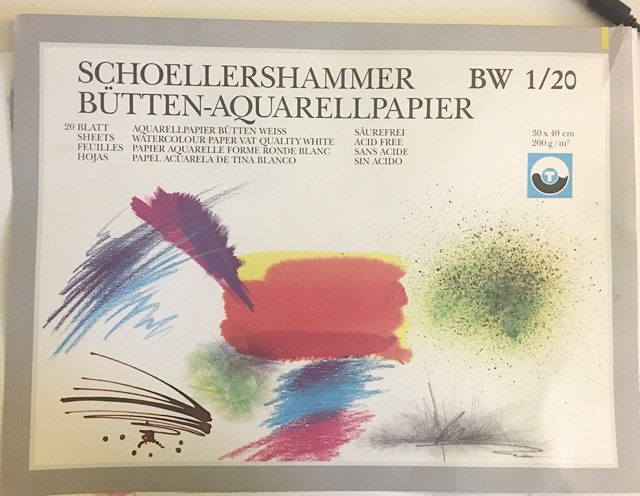
Schoellershammer Bütten-Aquarellpapier, 30 x 40cm, 200gsm

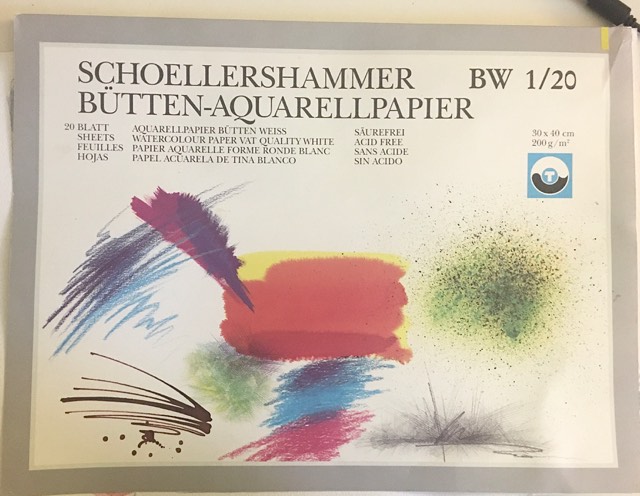
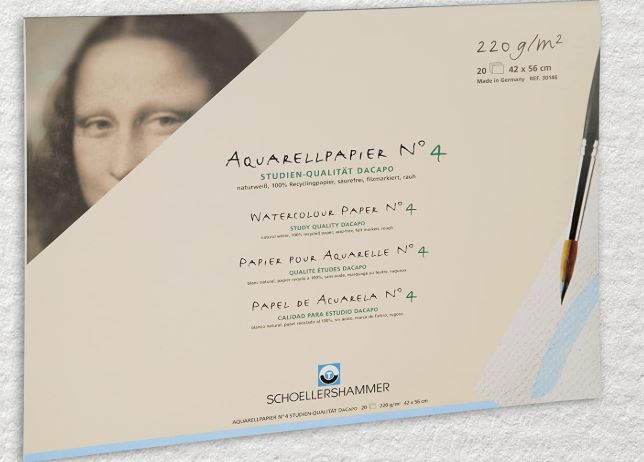
I got this a while ago as well and I don’t remember from where unfortunately. It’s a pretty large sheet so I’ll cut each sheet up into smaller ones – usually A5 sizes – for use later on. The paper is cold-pressed so there is some texture to it and 100% cotton which I think works best for watercolours. I actually prefer hot-pressed paper, but I want to finish up with this pad before I go out and get more. Paper can get really expensive, and I don’t think you need to have super heavy paper or anything for good results, a lot of it comes down to preference and your budget. I definitely can’t afford to keep buying lots of watercolour paper so I use it pretty conservatively actually, and paint on mixed media paper or my sketchbook paper more often. I did a bit of digging on this specific pad that I have and I couldn’t find the same one online, the closest I got was the Schoellershammer Aquarellpapier “Aquarell DaCapao” 42cm x 56cm which is a bit thicker at 220gsm.

Reeves Mixed Media Paper A5

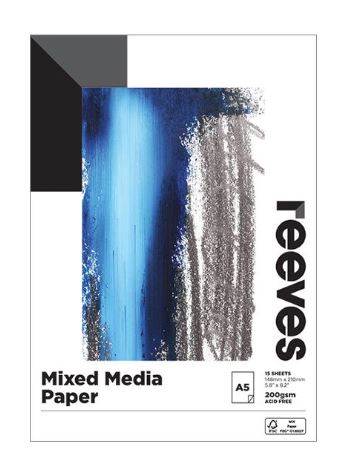
Because I swap around with pens and markers and paints, mixed media paper works a bit better for me (and is cheaper than outright watercolour paper). It doesn’t compliment watercolours as well as watercolour paper of course, but it does a very good job in general and is much more affordable.

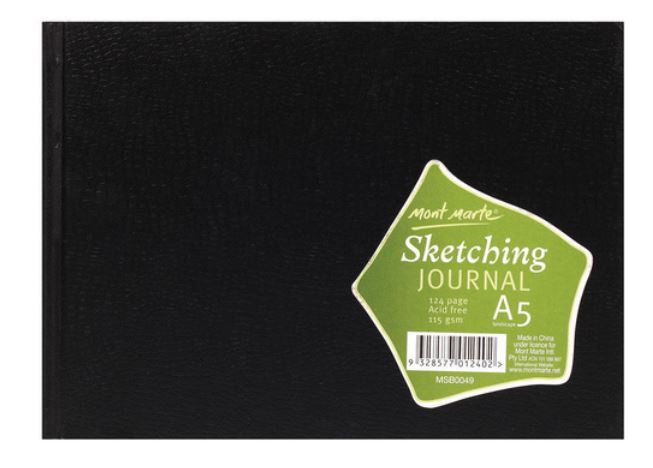
Mont Marte Sketching Journal Landscape A5

I use this sketchbook mostly for testing colours and combinations as well as quick rough sketches before moving on to watercolour paper or my blue sketchbook. Because it is a sketching journal, it doesn’t deal well with water on the page, but it’s good for pencil sketches and pens/markers.

Gallery

My 2020 Doodle Planner

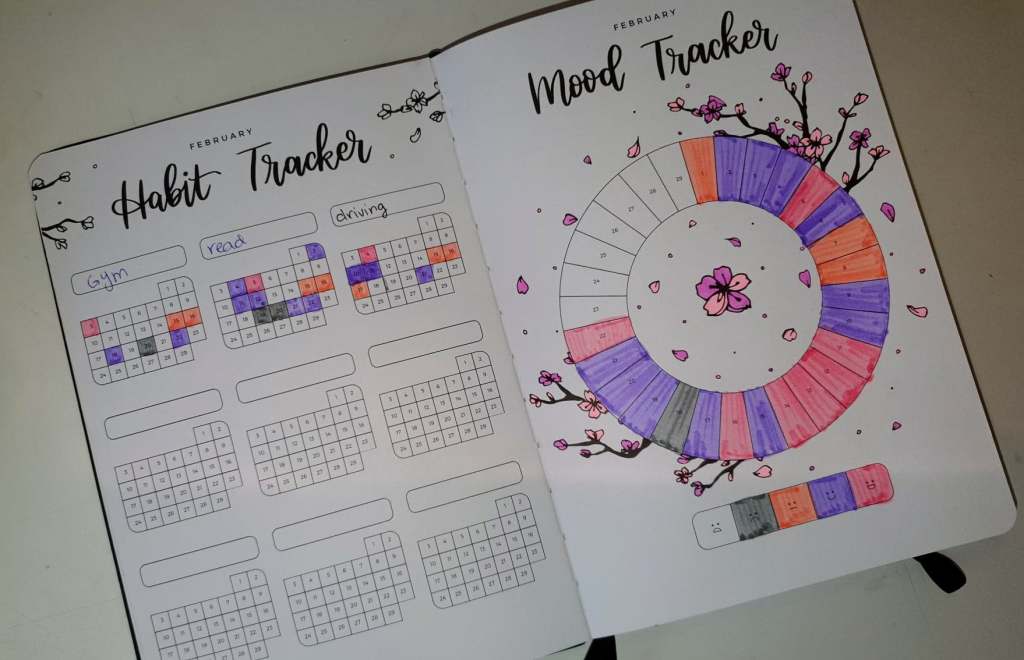
For those of you who don’t know, when I am not in quarantine I am VERY busy. I work as a restaurant bartender, mentor at my university, freelance bar tend, volunteer with two different organisations, study at university full-time and keep up a social life. So as you can imagine, I depend on my planner like a tree with sunlight.

It was after I graduated high school and at the start of 2019 that I discovered bullet journaling. I vigorously followed YouTubers likes AmandaRachLee. Within a few months I drew up my own bullet journal spreads. I’ll admit I am not creatively inclined but it was a fun way to pass time before my life after school started to pick up.

A month or two after the university semester started up, I couldn’t find the time to draw up these elaborate spreads and gave up. After that I fell into a misguided clump, event happening left and right and no idea how I was going to schedule it all. Of course I could’ve gotten one of those regular planners from the dollar store. But while I didn’t have the time or energy to put so much effort into a beautiful planner but didn’t want to give into the boring dollar store planners I wanted an alternative.

This is when AmandaRachLee became my saviour.

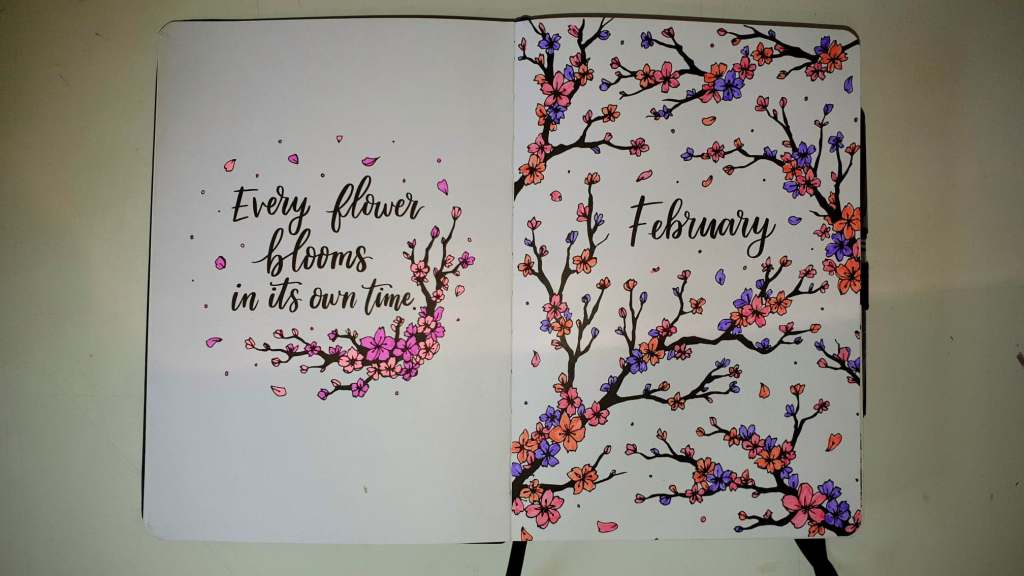
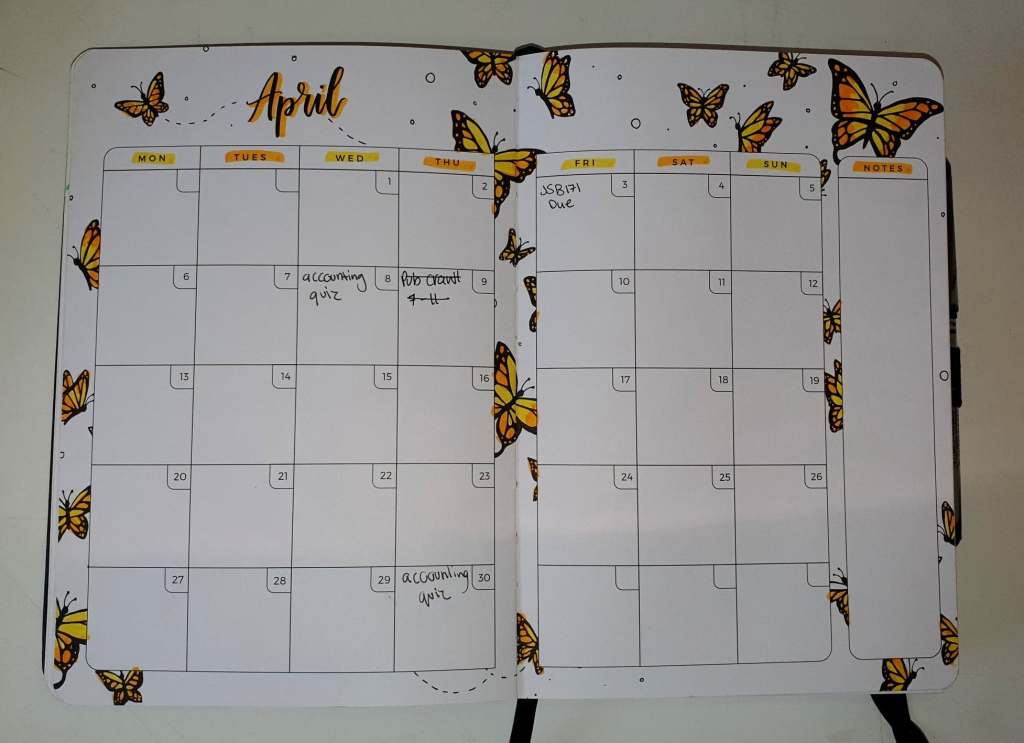
In late 2019 she announced she was releasing her very own series of planners. Inside the planner features her hand-drawn illustrations in black and white so that they can be personalised with colours. This was perfect for me as I needed a nice and chic planner but one where I could at least be somewhat creative.

Features

There Planner has many attractive features.

Inside:

  • 160gsm paper
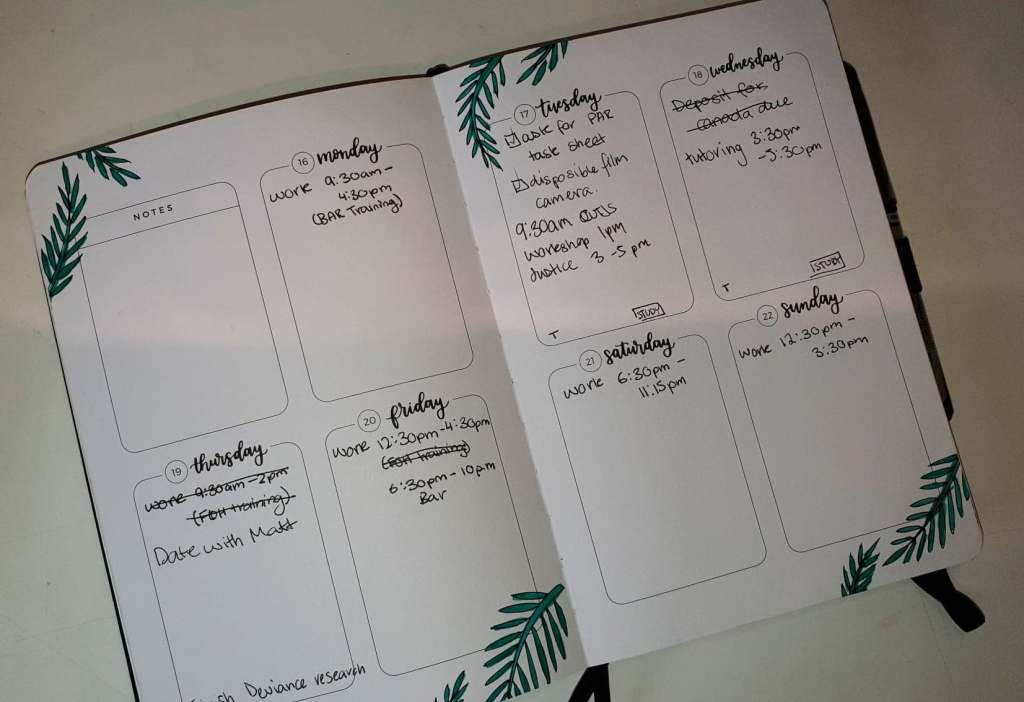
  • monthly and weekly planner spreads
  • monthly mood trackers, habit trackers, goal-setting and “favourites” pages
  • yearly reflections and goal setting pages
  • Dotted pages for your own creativity

Outside:

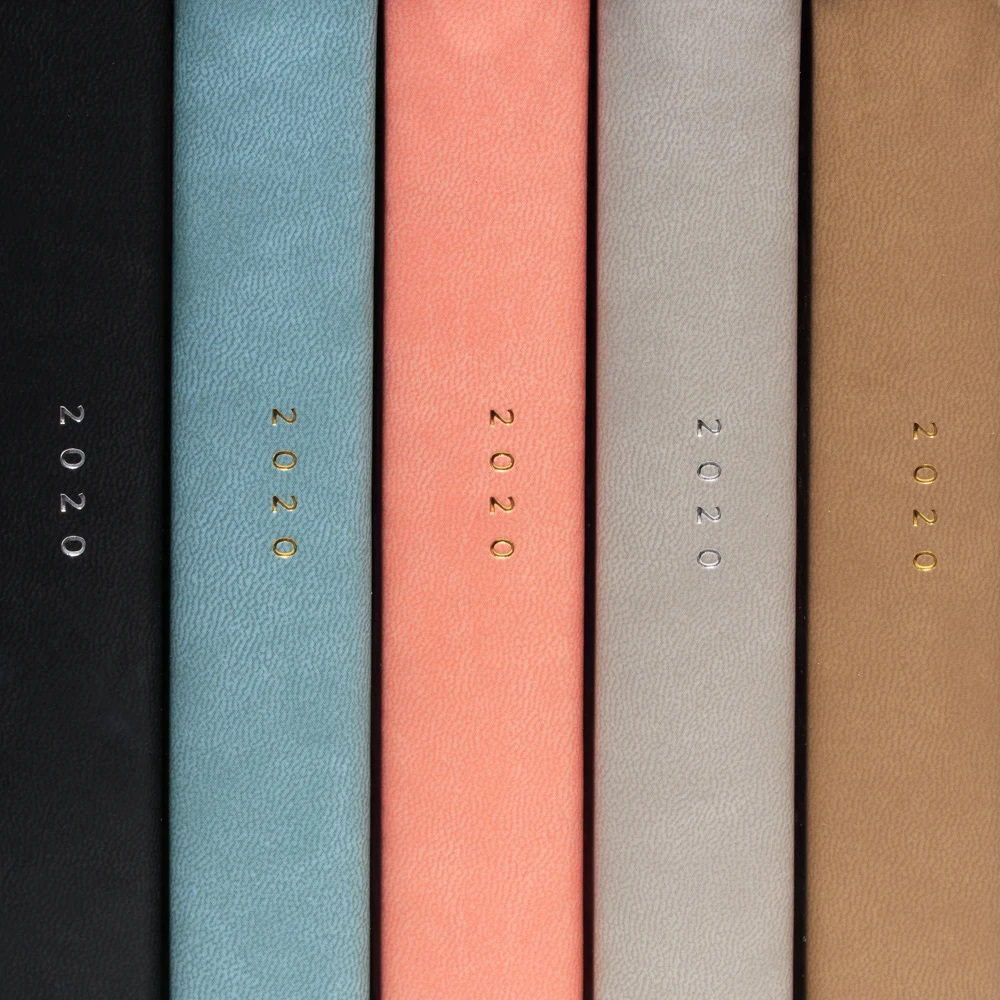
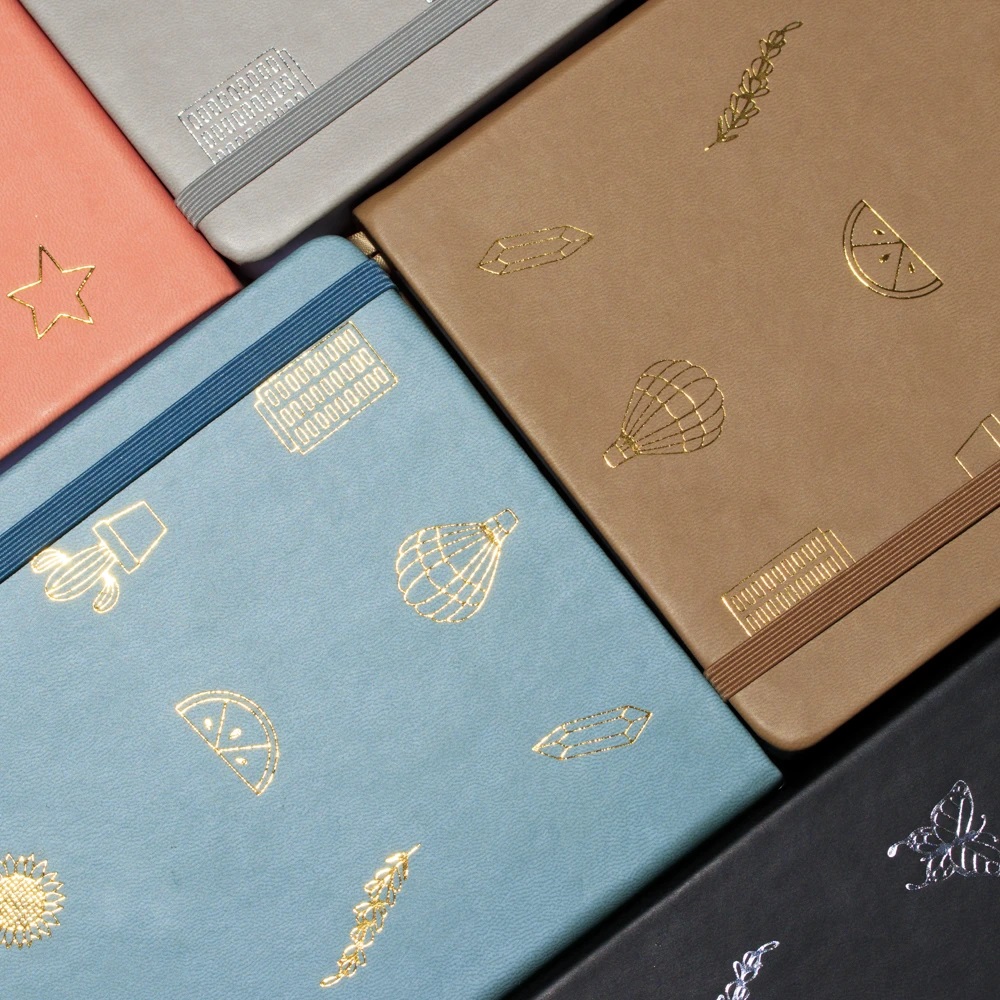
  • Vegan leather cover with foil embossments
  • back pocket to hold loose papers
  • Elastic closure
  • Two ribbon bookmarks
  • Pen holder

While this is all very attractive, the price was quite expensive $72. 50AUD ($45.90 USD) without shipping costs.

How I use the Planner

When I use a planner I write in my events the day I know what the day and time is. This can be months in advance or days in advance but I will only do this for events that are set in stone and have no chance of changing. Examples of this is volunteer events, work shifts and exams. After that I write in due dates, e.g PR posts, assignment due dates or application due dates. The week before I will then plan out my week. Within the 7 days I plan a “Block out day”. This is a day where I don’t plan to do anything. This is really important for me as I hate feeling swamped and blocking out that day means I can catch up university work, self-care or event my volunteer work. It is just a day for me. Then I plan my flexible events around my essential events and my “Block out day”.

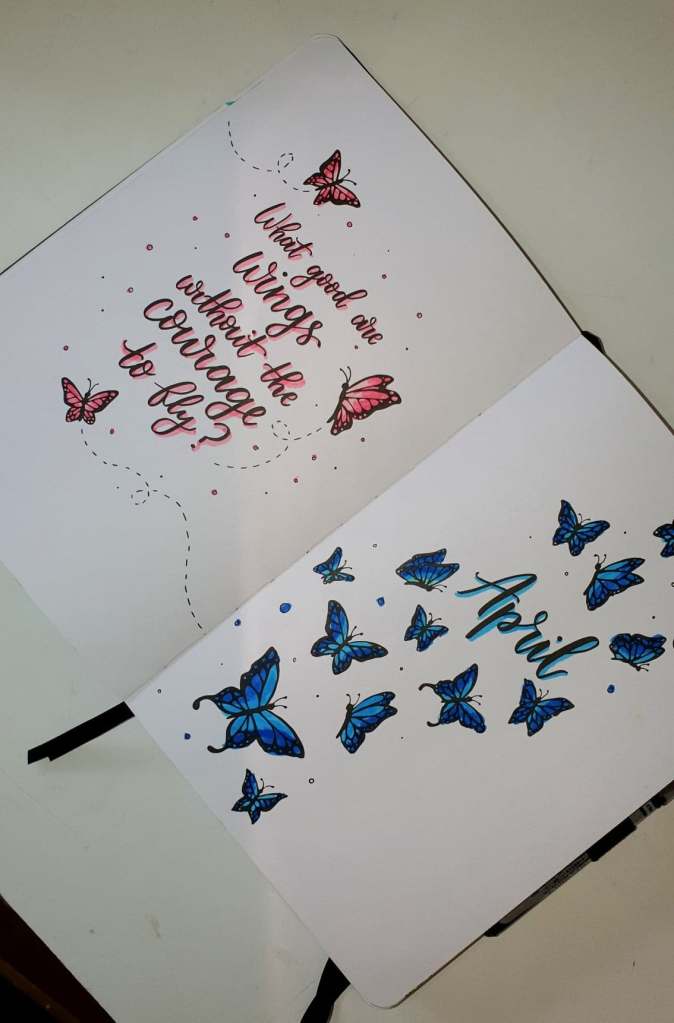
For the creative side of my planner, I colour in when I study. This sounds counterproductive but hear me out. I use the pomodoro technique. This means I work for 25 minutes and have a 5 minute break, repeat 4 times and then work for 25 minutes and have a 15 to 30 minute break. Within my 5 minute break I put a song on from my Spotify and colour in my journal. Once the timer rings to signal the end of my break I start to study again. If I am not colouring when I study I do it before I go to bed.

Review after 4 months

I won’t lie to you, I have seen positive and negative reviews on this particular planner but wanted to judge for myself.

Those who weren’t a fan of the planner wrote that “it stifles personal creativity”, “The price is too much” or that they “can’t imagine carrying anything bigger than a B6 around”. While I find that these are all fair points, my personal need and use for it outweighed these negatives. By allowing my to colour in at my own discretion, I find that this journal hits the right balance of allowing me to be creative and not spend an obscene amount of time drawing. Even though I received this planner as a gift, I would probably still purchase it for myself and probably will if she releases a 2021 edition. This is because I feel as if I use it every day for scheduling and as a mini creative outlet which are both very important to me. I have to agree that the planner is a bit chunky and heavy but I carry a big bag most of the time I am out and I have no problem. I think it is important to understand that it’s big because of the quality that is provided in the planner. The 160gsm paper ensures that pens don’t bleed through and that you can use the strongest of pens and it won’t show on the other side. So it is a sacrifice I am willing to make.

Overall, I am very in favour of purchasing this Planner as it fundamentally does its job while providing a tiny creative outlet for me.

Here is the link if you’re keen on getting a 2020 Doodle Planner as well (halfway through the year…)

Final Rating:

Rating: 5 out of 5.

Follow my blog with Bloglovin

Currently Reading Update #1

10th April Update!

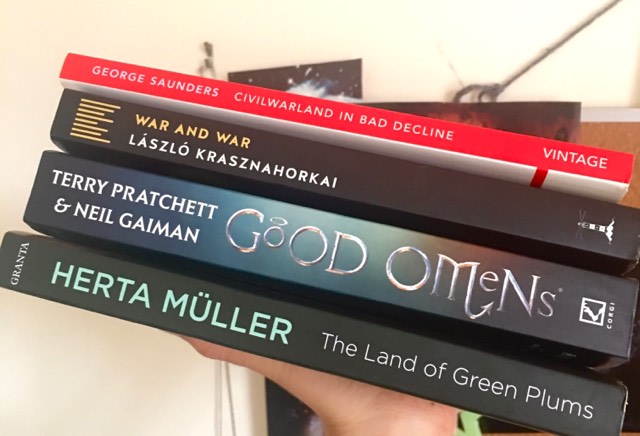
One of my 2020 resolutions was to read more widely and consistently (which hasn’t been working too well so far), but there’s been an attempt. Hopefully I pick up the pace soon and commit to what I’ve started. Going to hold myself accountable and make sure I finish and review these books when I’m done, so here are the ones I’m currently reading:

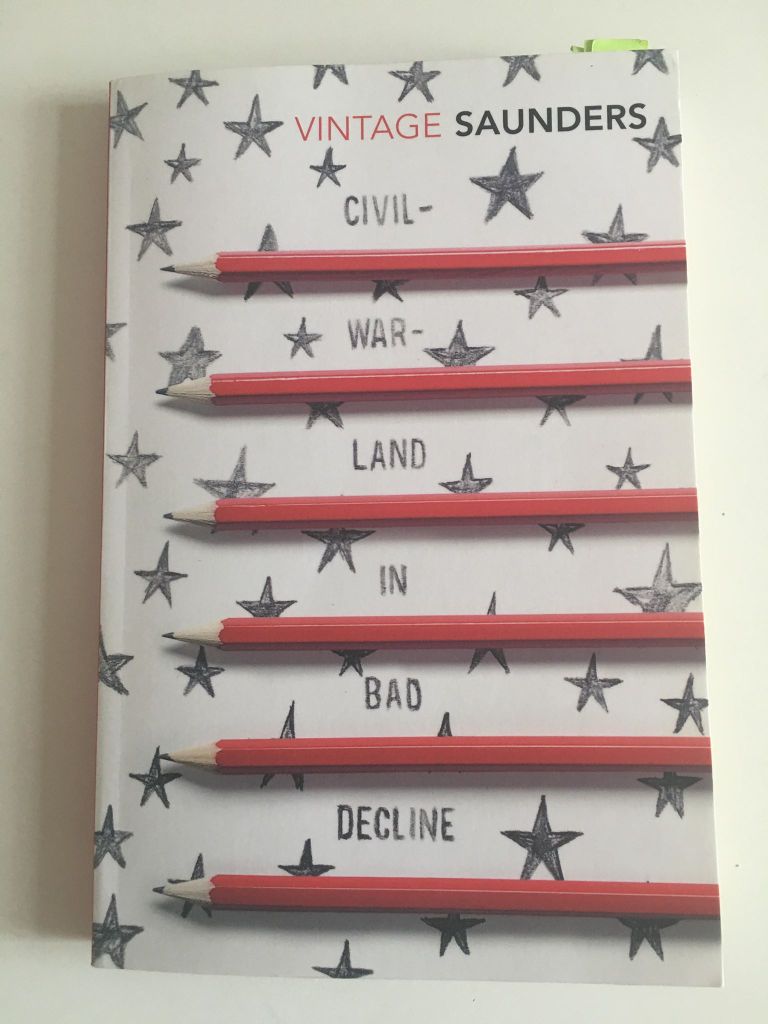
CivilWarLand In Bad Decline by George Saunders

CivilWarLand In Bad Decline is a collection of short stories and novellas by George Saunders. I’m only about quarter through the book itself but what stands out is that each of the stories feel a little surreal but at the same time, very grounded in it’s characters. There’s quite a bit of underlying dark humour that ties in nicely with some of the themes surrounding morality and violence, and I’m enjoying it so far.

Currently: page 80 of 163

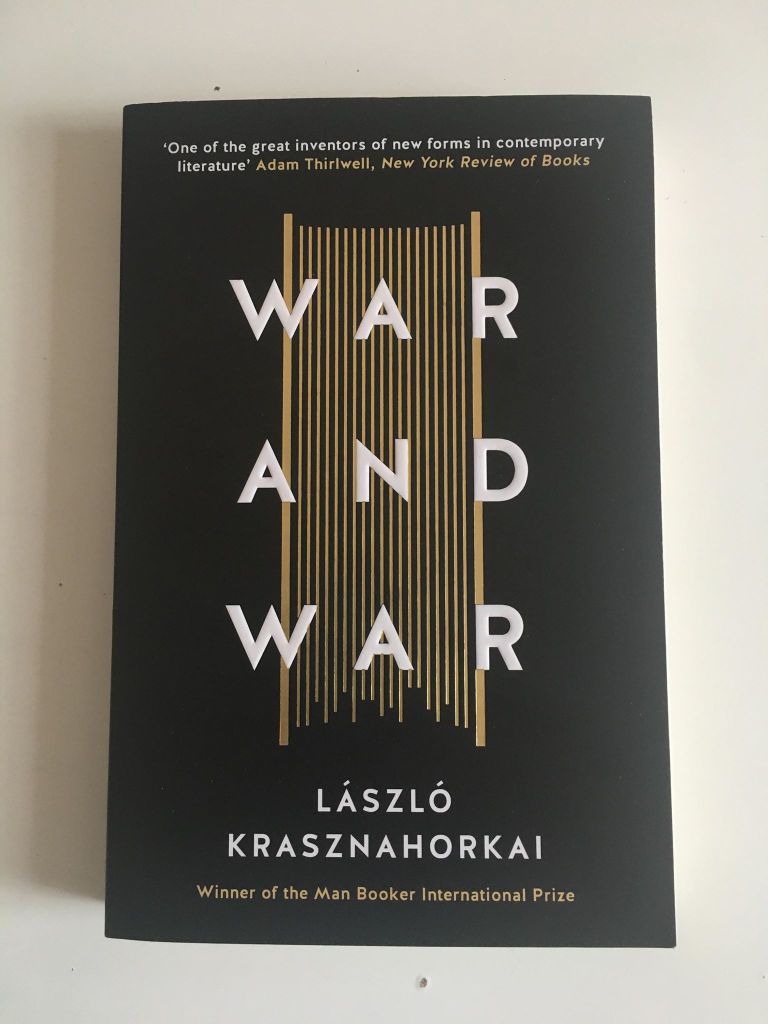
War and War by Laszlo Krasznahorkai

I’ve been trying to read more translated works, and this is one of the books I own that has been translated from Hungarian to English by George Szirtes. I’ve barely started this book but what had me interested was how personal the story seemed – it’s about a suicidal clerk determined to type up the pages of an old manuscript so the rest of the world can read it. When I did start to read, the other thing that grabbed my attention was how the book was structured, as in, the fact that each chapter had only a handful of sentences, and each sentence could span from a couple lines to a couple of pages. Krasznahorkai makes liberal use of every other form of punctuation except the full stop, which (even though makes it difficult to read sometimes) was something I really hadn’t seen before.

Currently: page 29 of 279

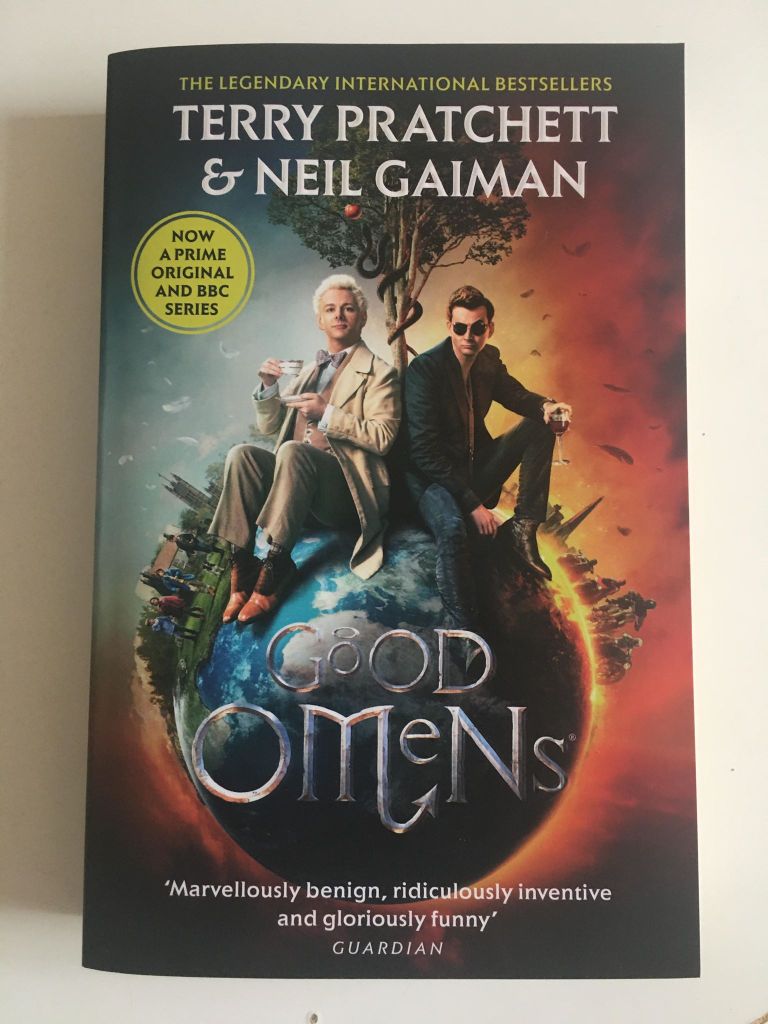
Good Omens by Terry Pratchett and Neil Gaiman

I’m a fan of Pratchett and Gaiman’s other books, so naturally, I picked up this one to see what they could come up with and so far, it’s just fun. Similar in some ways to Saunders’ CivilWarLand In Bad Decline in the sense that Good Omens is wacky, other-worldly, and pushes boundaries. There’s also a show on BBC that’s probably worth checking out later on (but first, I have to read the book.)

Currently: page 42 of 391

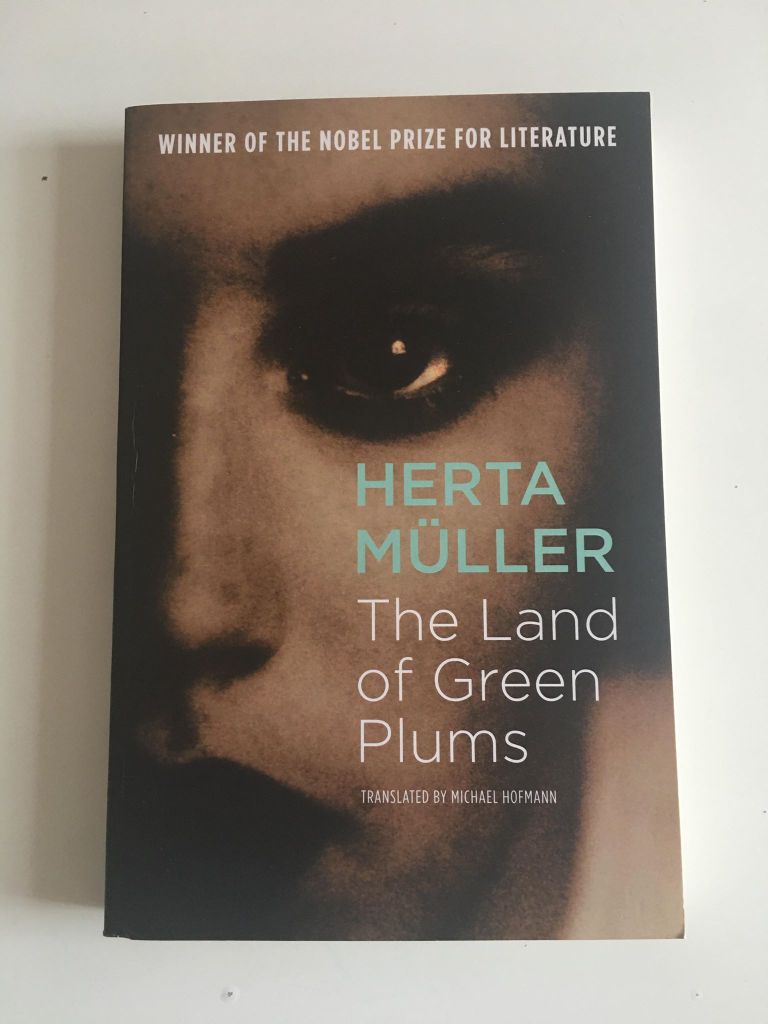
The Land of Green Plums by Herta Muller

This is another book that’s been translated (from German to English by Michael Hoffmann), and has also won the Nobel Prize for Literature in 2009. Muller, in one of the editions of this book, wrote at the start, “in memory of my Romanian friends who were killed under the Ceauşescu regime“, and this novel reflects on the oppression, the threat of violence and lack of safety, as well as the trauma and social ostracisation of people who flee in hopes of a better life. Even within the first few pages it becomes very clear what kind of society Muller’s main character – who is unnamed – lives in, and how bleak daily life is under the regime. Although it is quite depressing , I think there’s a lot you can take away from Muller’s novel.

Currently: page 29 of 242

The Happiness Advantage by Shawn Achor

This is a book that explores the effects of positive psychology on everyday life and work performance. One of the key takeaways so far is that success doesn’t make you happy but happiness fuels success. Within the book Achor highlights 7 principles that can be used to capitalise on the Happiness advantage. Within the first few pages you can tell that Achor knows what he is talking about and just jumps straight to the point. This makes the book an easy yet informative read.

Currently: page 128 of 210

(These are the versions I have)

Things to know before going to Japan

I went to Japan in 2019 for 3 weeks. It was probably some of the best fun I have ever had. But there are things I wish I knew before I got on my 9 hour flight from Brisbane. Here are some tips from a newbie traveller to help your Japan trip be an easy ride.

1. Make a plan and stick to it

It is so easy when travelling to just want to be lazy and do nothing for the day. Trust me, I have done it countless time. This is why it is so important to make a plan and stick with it so you can get the most out of your trip as you can. Say “I want to go to Universal Studio’s on Wednesday and be there by 10am” and actually do it. Don’t just wake up and say “Today is a wonderful day, let’s go to Universal Studio’s” and only spend half of your day there (and trust me, you need a full day there).

2. Sort out your transport passes before going to Japan

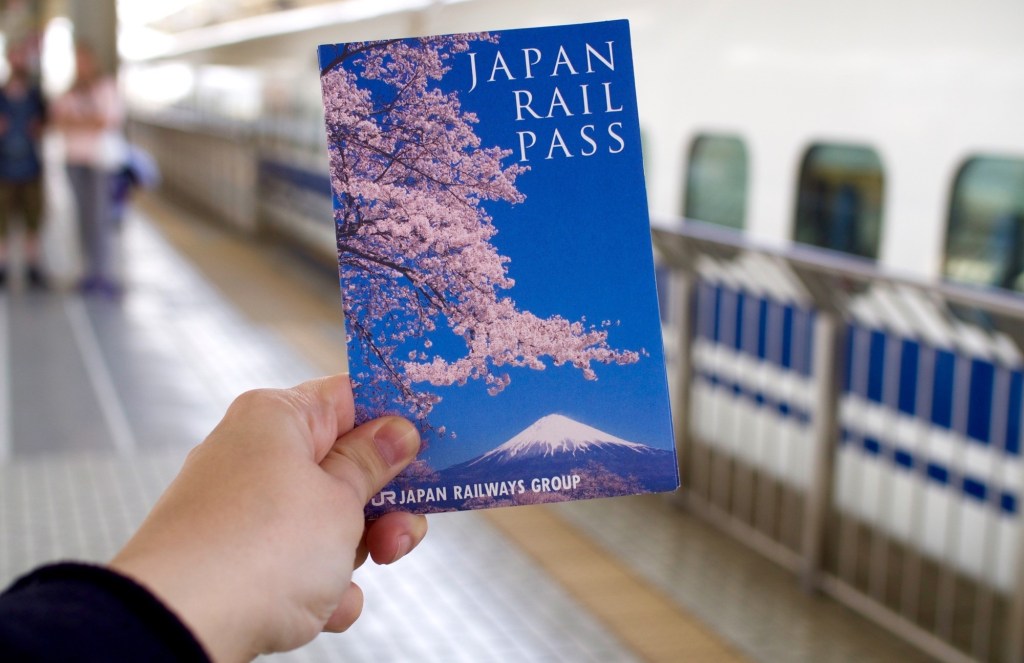
Before departing Brisbane I already had my JR pass and my plan to get a Suica card when I arrived in Tokyo. The JR pass allowed me to ride the Shinkansen between the big cities and the Suica Card let me catch all the public transport (like a go card or opal card). The JR pass only works for a limited time period. The Suica Card can be topped up at any time, can be used at 7/11 and other retailers and any leftover credit on the card can be withdrawn at the end of your trip.

A typical JR Pass

3. Insurance

I know I will sound like your mum nagging you about insurance but I swear I mean it. Every time I have travelled overseas by myself something happens. In Denmark it was for my teeth and in Japan I had serious stomach pains. In Japan I had to find an English speaking doctor and get medication which can culminate into a lot of money. Money I could’ve have spent on food. Final line is, you never know what can happen.

4. When going to Universal Studio’s, get a fast track pass

Not to be generic or anything, but I did go to Universal Studio’s and I LOVED IT. I can guarantee that I would not love it if I didn’t have the fast track pass. I bought mine through Klook and it cut the waiting time for the rides by hours. One of the main rides is called the Flying Dinosaur had a 2 HOUR wait time and it took me less than 10 minutes because of my pass.

5. Accomodation

Throughout my whole trip I stayed in AirnB accommodation. I did this because I like my personal space and wanted a quality place to sleep. Sure I could have spent less by staying in a hostel but that was not what I was looking for in my trip. AirnB was cheaper than hotels and provided more utilities.

There are also certain things you should be looking for in your accommodation:

  • Is it near a train station or bus stop?
  • Does it have a washing machine?
  • Does it have a dryer? (if traveling in winter)

It is important to be near some form of transport so you don’t have to lug around your luggage. There was one instance where I booked accommodation in the middle of nowhere at Mount Fuji and we had to walk 15 minutes to our accommodation after being on a bus for 1 hour. Didn’t make me to happy but it was an adventure.

Washing machine and dryer is important for me. I wanted to pack light and that meant I had to wash my clothes regularly. A dryer was a major plus.

6. Pack Lightly

The Japanese transport system is very efficient and very, very crowded. If you are carrying around a massive suitcase and a backpack, it is going to be hard for you to move around. On the Shinkansen you can either put the suitcase in front of you or above you. Having a small suitcase means you can put your luggage overhead and not feel cramped for your 3 hour train ride.

Thanks for reading! I hope this was useful and you like reading my blog.

Design a site like this with WordPress.com
Get started